 EN
EN

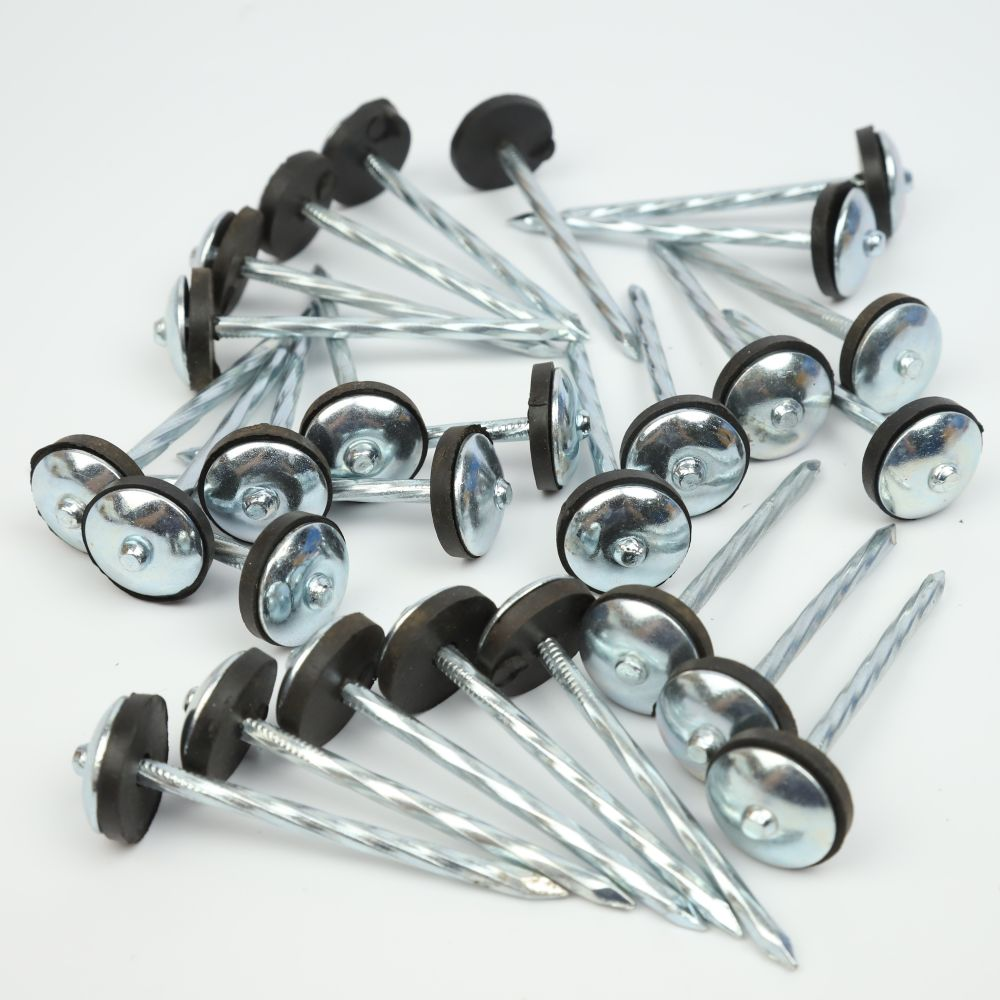
Match Roofing Nail Corrosion Resistance to Environmental Risk
Humidity, salt spray, and industrial pollutants: Key drivers of roofing nail degradation
Coastal areas with high moisture see corrosion rates that are roughly three times higher than what we see in dry regions. Salt spray really speeds up oxidation processes down at the microscopic level. Industrial pollutants like sulfur compounds create acidic deposits on surfaces, which then start eating away at regular steel nails over a period of around 3 to 5 years. When humidity stays above 60%, something called galvanic corrosion becomes a problem too. This happens when different metals come into contact while wet, such as steel nails meeting aluminum flashing or copper parts. The interaction leads to electrochemical reactions that basically dissolve the metal fasteners over time. According to studies from the National Roofing Contractors Association, picking the wrong kind of nails for harsh environments is actually responsible for about 42% of all early roof failures they've documented in their field reports.
Building code requirements for corrosion-resistant roofing nails in coastal, humid, and high-pollution zones
Building codes mandate specific fastener materials based on environmental exposure:
- Coastal areas (≤1 mile from saltwater): 316-grade stainless steel nails per ASTM F1667
- Industrial/urban zones: Hot-dipped galvanized nails with ≥2.0 oz/ft² zinc coating (ASTM A153)
- Humid regions (>55% annual relative humidity): Electro-galvanized or polymer-coated nails meeting ICC-ES AC116
All compliant products must pass ASTM B117 salt-spray testing—demonstrating ≥1,000 hours without red rust formation. Noncompliant installations risk permit denial, warranty voidance, and liability for accelerated system failure.
Compare Roofing Nail Materials by Corrosion Performance and Structural Integrity
Stainless steel (304 vs. 316): Optimal for high-chloride environments and long-term roofing nail reliability
Stainless steel nails made from Type 316 material stand out for their exceptional resistance to chloride corrosion in coastal areas. These nails often last well over 1,000 hours during ASTM B117 salt spray tests thanks to the addition of molybdenum in their alloy composition. While Type 304 stainless works fine for most inland applications, it simply doesn't hold up against pitting corrosion when there's more than 5 milligrams per cubic meter of airborne salt present. Both types keep their tensile strength above 70 thousand pounds per square inch which means they won't fail under normal conditions even after many years exposed to temperature changes and strong winds that try to pull them loose from building structures.
Hot-dipped galvanized steel: The benchmark for cost-effective, code-compliant roofing nails
Galvanized nails offer excellent rust resistance while costing around 40 to 60 percent less than their stainless steel counterparts. According to ASTM A153 standards, regular galvanized nails typically have about 1.85 ounces of zinc per square foot. For areas near the coast where salt air accelerates corrosion, contractors often specify the heavier duty version with approximately 3.0 oz/ft² coating which lasts much longer before needing replacement. These galvanized fasteners satisfy building code requirements throughout most regions away from coastal areas. Field tests conducted over many years in places like Florida and Georgia show they generally last between fifteen and twenty years in normal weather conditions without showing significant signs of deterioration.
Copper and specialty-coated roofing nails: Niche applications and compatibility constraints
Copper nails work really well on slate and cedar roofs because they match naturally and look good together over time. But watch out when using them near aluminum or steel parts since that can cause big problems with galvanic corrosion. There are special polymer coated nails now that fight back against sulfur dioxide (SO2) and those nasty industrial pollutants we all hate. These come in handy especially when building codes require ICC-ES AC116 compliance standards. Still need to be careful though. Copper sits pretty high up on the galvanic scale, which means it basically eats away at nearby aluminum or steel materials. Some tests show corrosion rates can jump as much as 100 times faster according to those electrochemical charts from NACE International. Definitely worth keeping in mind during installation planning.
Avoid Galvanic Corrosion: Select Roofing Nails Compatible with Roofing Materials
Why mixing copper flashings or aluminum components with standard steel roofing nails accelerates failure
Galvanic corrosion happens when different types of metal touch each other while exposed to moisture from sources like salt air near coasts, regular rainfall, or condensation in factories. When standard steel nails come into contact with nobler metals such as copper or aluminum under these wet conditions, they become the sacrificial part of the equation. The chemical reaction eats away at the steel much quicker than normal rust would on its own. Roof systems suffer because of this effect, with studies showing that galvanic corrosion can cut down roof life expectancy by about 40 percent in areas where humidity remains consistently high, as noted by NRCA's research on material longevity.
Material compatibility matrix: Safe pairings for roofing nails and common roof assemblies
Selecting chemically compatible materials prevents destructive galvanic reactions. Use this reference guide for optimal pairings:
| Roofing Material | Compatible Nail Type | Incompatible Pairings |
|---|---|---|
| Asphalt Shingles | Hot-dipped galvanized steel | Copper nails |
| Metal Roofing | Stainless steel (316 grade) | Standard zinc-coated nails |
| Copper Components | Copper roofing nails | Aluminum or steel nails |
| Slate/Tile | Copper or stainless steel | Electro-galvanized steel |
| Aluminum Flashing | Aluminum or stainless steel | Copper or standard steel nails |
Always verify compatibility before installation—especially at transitions between materials—to prevent premature corrosion failures.
Verify Corrosion Protection Through Standards and Testing
ASTM A153, ASTM F1667, and ICC-ES listings: What certifications mean for roofing nail durability
Certifications from industry standards give concrete evidence about how materials perform when put to the test in actual field conditions. Take ASTM A153 for instance it checks the thickness and stickiness of zinc coatings on galvanized nails, which is really important because those coatings need to last long enough to protect against rust over time. Then there's ASTM F1667 that looks at both what goes into making these fasteners and their physical strength characteristics. The standard requires at least 70 ksi yield strength so they can hold up structurally even after years of weather beating them down. ICC-ES evaluations go one step further by needing independent experts to confirm that products actually comply with local building codes throughout different areas prone to corrosion issues. When construction projects use materials with these kinds of certifications, contractors sleep better knowing their roofs won't start leaking due to failed fasteners down the road.
Salt-spray (ASTM B117) and humidity cycling test data: Interpreting real-world performance claims
Accelerated testing gives us a peek at how products hold up over time, though this works best when we really dig into the details. Take salt spray tests under ASTM B117 standards for example these show exactly how long before a nail starts showing that telltale red rust. The best quality 316 stainless steel nails typically last between 1,000 to 1,500 hours in these tests, which translates roughly to around 20 years or more in places near the coast where conditions aren't too harsh. Then there are humidity cycling tests like those specified in ASTM D5894 standard. These create extra stress on materials by switching back and forth between wet and dry environments, something regular tests just can't catch. They expose problems with coatings sticking properly or gaps at edges that might otherwise go unnoticed. When looking at product specs, don't get fooled by numbers alone. Focus on what actually happened during testing: when did the first signs of rust appear? Was the coating still intact after all that? A claim of "500 hour rating" means nothing if we don't know where exactly things started to break down or how the corrosion began.
FAQs
What are the main factors that cause roofing nail corrosion?
Humidity, salt spray, and industrial pollutants are the primary factors contributing to roofing nail corrosion.
How does galvanic corrosion occur?
Galvanic corrosion occurs when different metals come into contact and are exposed to moisture, leading to electrochemical reactions that dissolve metal fasteners.
What building codes apply to roofing nails?
Building codes specify fastener materials based on environmental exposure, including coastal areas, industrial zones, and humid regions.
Why is stainless steel preferred for coastal environments?
Type 316 stainless steel has exceptional resistance to chloride corrosion, making it ideal for coastal environments.