 EN
EN

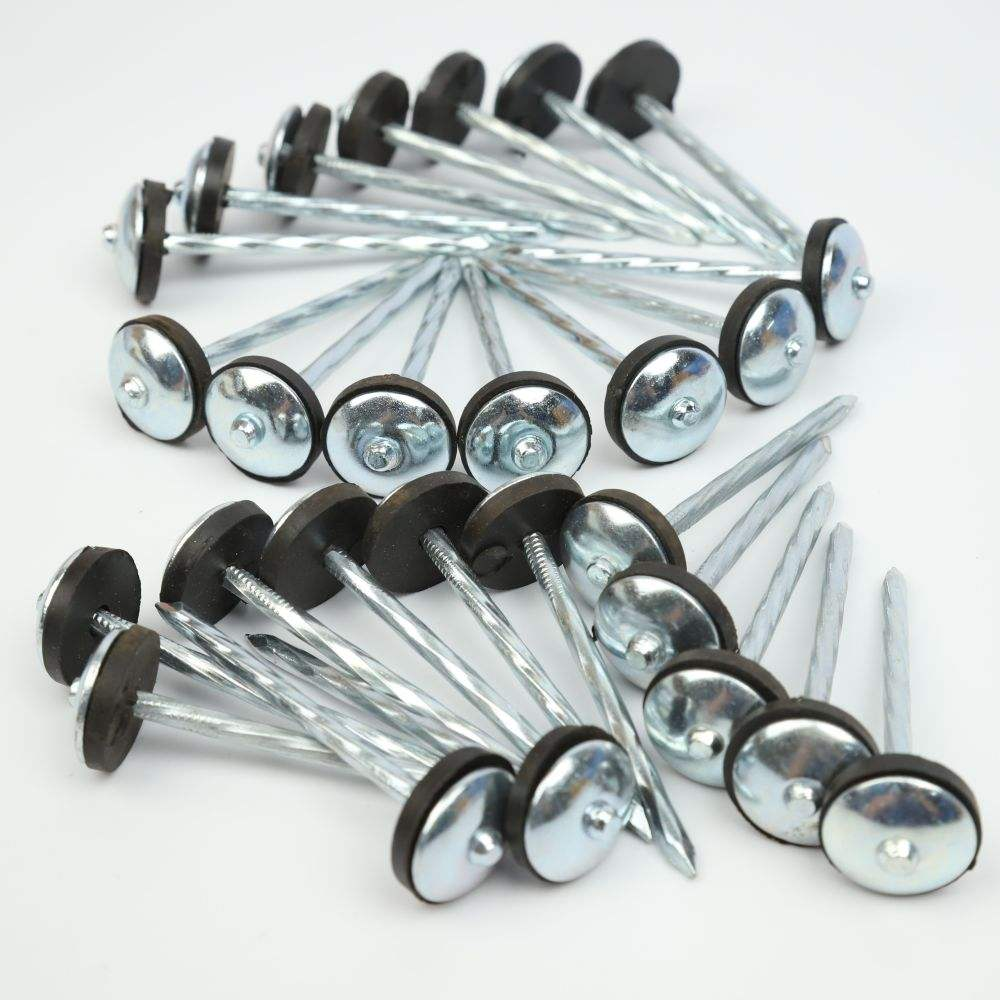
Corrosion-Resistant Roofing Nail Materials Explained
Stainless steel roofing nails: Why Grade 316 outperforms Grade 304 in coastal environments
Stainless steel roofing nails made from Grade 316 typically have around 2 to 3 percent molybdenum content, which gives them much better protection against chlorides than their Grade 304 counterparts. When put through ASTM B117 salt spray tests that mimic harsh marine conditions, these nails can last well beyond 1,000 hours without showing signs of corrosion. That's about three times as long as what we see with Grade 304 steel when tested under exactly the same circumstances. For buildings located near coastlines where there's more than 0.1 milligrams per cubic meter of salt in the air, Grade 316 becomes the go-to option. What really works here is the special oxide layer formed by the added molybdenum. This protective coating stays intact even in areas with lots of chloride exposure, all while keeping the material strong enough to handle forces exceeding 700 megapascals.
Hot-dipped galvanized roofing nails: Zinc coating thickness, ASTM A153 standards, and real-world durability
Galvanized roofing nails get their durability from the way they bond with molten zinc during manufacturing. This process creates special alloy layers that stick to the metal surface and won't peel off even after bending or driving into wood. The ASTM A153 standard requires at least 1.7 mils (about 43 microns) of coating for structures exposed outdoors. Real world tests back this up, showing these nails stay rust free for around 15 to 25 years in normal weather conditions. What makes hot dipped galvanizing different from other methods is how well it holds up under tough situations. These coatings keep working even when covered with leaves, trapped under ice dams, or constantly wet. Independent lab tests have confirmed what contractors already know from experience.
Copper and aluminum roofing nails: Limited use cases and critical galvanic corrosion risks with dissimilar metals
Copper nails work well only when used in systems that match them completely, like copper flashing on slate or tile roofs. But problems happen fast when these copper nails touch steel or aluminum parts. The chemical reaction between different metals speeds up rusting, sometimes making things fall apart 10 times quicker in places that stay damp or humid. Aluminum nails stand up okay to normal weather conditions, though they don't last long near the coast where salt levels get too high. Most experts say trouble starts when chloride concentrations go over about 250 parts per million. No matter which metal we're talking about, keeping them away from other types of metal is crucial. Even small touches through screws, flashing materials, or wet wood surfaces can start dangerous electrical currents flowing between metals.
Hot-Dipped vs. Electro-Galvanized Roofing Nails: Performance Comparison
Zinc adhesion, coating thickness (â¥1.7 mils), and ASTM B117 salt-spray test data
When it comes to fighting corrosion, hot-dipped galvanized roofing nails really stand head and shoulders above their electro-galvanized cousins on just about every measure that matters. What makes them so good? Well, the hot dip method creates a much thicker zinc coating, usually over 1.7 mils thick or around 43 microns, which actually meets those ASTM A153 standards and forms those tough zinc iron alloy layers we need for real durability. On the flip side, electro galvanized nails generally only get about less than a mil of zinc coverage. This thinner layer leads to problems down the road like weak adhesion, tiny cracks forming when they're installed, and the protective barrier breaking down too soon. Salt spray tests following ASTM B117 standards back this up pretty clearly hot dipped nails can hold off red rust formation anywhere from 3 to 5 times longer than what we see with electro galvanized options. And because these nails maintain their coating integrity so well, they protect even those vulnerable spots where roofs get cut, bent, or where nails are driven in place something absolutely essential for keeping any roofing system reliable year after year.
Climate-Specific Roofing Nail Selection: Coastal, Humid, and High-Chloride Environments
Chloride exposure thresholds and minimum material requirements for long-term roofing nail integrity
Coastal and humid environments accelerate corrosion through persistent salt aerosol and elevated moisture, demanding precise material selection. Research and field experience establish clear chloride exposure thresholds that dictate minimum performance requirements:
- Grade 316 stainless steel nails are required for coastal zones with salt deposition exceeding 0.3 mg/m²/dayâor ambient chloride levels above 5 mg/m³ daily averagesâwhere Grade 304 and galvanized options consistently underperform.
- Hot-dipped galvanized nails meeting ASTM A153 (â¥1.7 mil zinc) are appropriate for humid inland regions with sustained relative humidity >60%, provided no dissimilar metals are present.
- Copper and aluminum nails must be avoided entirely when used alongside steel, aluminum, or galvanized components due to unavoidable galvanic coupling risks.
| Environment | Chloride Threshold | Minimum Material Requirement |
|---|---|---|
| Coastal | >0.5 mg/cm²/year | Grade 316 stainless steel |
| High-humidity | >60% RH sustained | HDG nails per ASTM A153 (â¥1.7 mil) |
Improper material selection in high-chloride zones reduces functional nail lifespan by 7â12 yearsâoften compromising roof deck attachment before warranty expiration. Always verify compatibility between nail material, flashing, underlayment, and substrate to prevent electrochemical degradation.
Rust Resistance Ranking: How Roofing Nail Types Compare Under Accelerated Testing
Accelerated corrosion testing provides objective insight into real-world longevity. Under ASTM B117 salt-spray conditionsâwhich replicate worst-case coastal exposureâroofing nail performance ranks clearly:
- Grade 316 stainless steel exceeds 1,000 hours without visible rust, making it the benchmark for marine and high-chloride applications.
- Hot-dipped galvanized nails, when compliant with ASTM A153 (â¥1.7 mil), last 500â800 hoursâsignificantly outperforming thinner electro-galvanized versions that fail between 250â400 hours.
- Copper nails, while highly corrosion-resistant in isolation (750+ hours), introduce unacceptable galvanic risk when installed near aluminum flashing or steel framing.
- Aluminum nails, though moderately resistant (300â500 hours), lack sufficient tensile strength and ductility for most roofing applications and degrade rapidly in chloride-rich air.
| Material | Salt-Spray Test Hours | Key Limitation | Recommended Use Case |
|---|---|---|---|
| Stainless Steel (316) | 1,000+ | Higher initial cost | Coastal/marine environments |
| Hot-Dipped Galvanized | 500â800 | Requires strict ASTM A153 compliance | General outdoor use |
| Copper | 750+ | Galvanic corrosion with dissimilar metals | Specialty roofs (slate/tile) |
| Aluminum | 300â500 | Low structural strength, chloride sensitivity | Low-load, non-coastal niche uses |
When choosing roofing nails, go with what the local climate actually shows instead of just going off generic advice. Take stainless steel for instance. People often think of it as just a fancy option, but research has shown it's really the only choice that holds up when there's more than 5 milligrams per cubic meter of chloride in the air every day. That matters a lot near saltwater areas. For places away from coastlines though, good quality hot dipped galvanized nails still work best most of the time. They last long enough, meet building codes, and won't break the bank either. Most contractors know this from experience after seeing what happens when cheaper alternatives fail prematurely.
FAQ
What is the main advantage of using Grade 316 stainless steel nails in coastal environments?
Grade 316 stainless steel nails contain molybdenum, which provides superior resistance to chlorides, making them ideal for coastal environments with high salt content.
How long do hot-dipped galvanized roofing nails last in harsh conditions?
Under normal weather conditions, hot-dipped galvanized nails can stay rust-free for about 15 to 25 years, thanks to their thick zinc coating.
Why should copper and aluminum nails be used cautiously with other metals?
Copper and aluminum nails can cause galvanic corrosion when in contact with dissimilar metals, which can accelerate rust and structural failure.
What are the critical differences between hot-dipped and electro-galvanized nails?
Hot-dipped nails have thicker zinc coatings and better adhesion compared to electro-galvanized nails, making them more durable in corrosive environments.
Table of Contents
-
Corrosion-Resistant Roofing Nail Materials Explained
- Stainless steel roofing nails: Why Grade 316 outperforms Grade 304 in coastal environments
- Hot-dipped galvanized roofing nails: Zinc coating thickness, ASTM A153 standards, and real-world durability
- Copper and aluminum roofing nails: Limited use cases and critical galvanic corrosion risks with dissimilar metals
- Hot-Dipped vs. Electro-Galvanized Roofing Nails: Performance Comparison
- Climate-Specific Roofing Nail Selection: Coastal, Humid, and High-Chloride Environments
- Rust Resistance Ranking: How Roofing Nail Types Compare Under Accelerated Testing
-
FAQ
- What is the main advantage of using Grade 316 stainless steel nails in coastal environments?
- How long do hot-dipped galvanized roofing nails last in harsh conditions?
- Why should copper and aluminum nails be used cautiously with other metals?
- What are the critical differences between hot-dipped and electro-galvanized nails?