 EN
EN

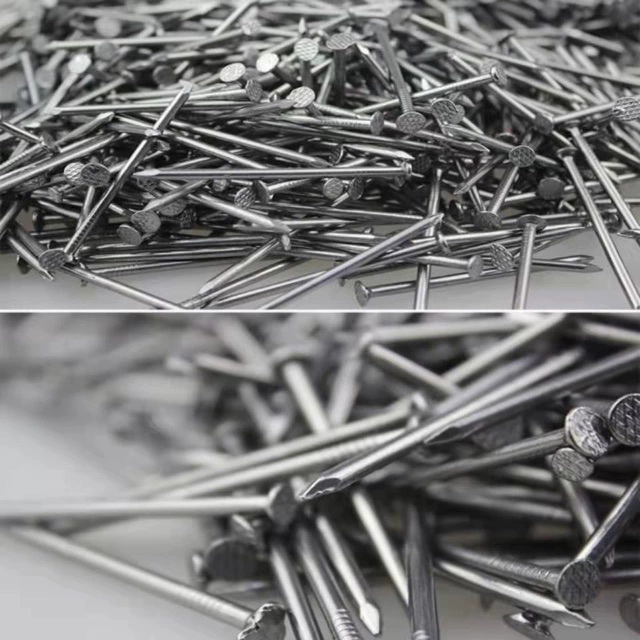
Core Strength Requirements for Iron Nails in Load-Bearing Wood Framing
Shear and Withdrawal Resistance: How Iron Nail Geometry Impacts Structural Integrity
The shape of nails really affects how well wood structures hold up. When it comes to load bearing walls, barbed shanks give about 72 percent more resistance when trying to pull them out compared to those smooth ones we usually see. That makes all the difference when dealing with things like wind lifting forces or sideways movement. The thicker the nail shank, the better it handles shear forces too. Take a standard 0.125 inch iron nail for example it can take around 1,200 pounds of force before giving way in softwood joints. Thinner nails just cant compete with that kind of strength, falling short by roughly 40%. Chisel point nails are actually pretty good at preventing wood from splitting as well. Tests show they cut down splitting incidents by about 30% over traditional diamond points, which helps keep the wood fibers intact where the most stress happens. And dont forget about the head size either bigger heads spread out the pressure on the wood surface, making the whole joint much more stable overall.
ASTM F1667 Compliance: Performance Benchmarks for Structural Iron Nails
ASTM F1667 sets the benchmark for structural iron nails used in wood framing throughout North America. The standard requires at least 60,000 psi tensile strength, keeps shank diameter within tight tolerances (+/- 0.002 inches), and demands proof of corrosion resistance after sitting in salt spray for 100 hours straight. When builders want assurance their nails will hold up, third party testing verifies that certified nails can resist pulling out with forces around 300 pounds per inch while still holding strong even when humidity changes day to day. Real world testing tells another story too. Nails meeting ASTM standards show about 25 percent better fatigue resistance compared to those without certification. And contractors who have tracked building performance over time report roughly 90 percent fewer problems with fasteners failing in structures where these properly rated nails were installed during the 20 year lifespan of the buildings.
Corrosion Resistance and Material Compatibility of Iron Nails with Wood
Galvanized and Hot-Dipped Iron Nails: Real-World Performance in Treated Lumber and Humid Climates
When it comes to protecting against corrosion in places where there's lots of moisture or harsh chemicals around, hot dip galvanization still stands out as the best option available today. Nails that meet ASTM A153 Class D standards come with about one ounce per square foot of zinc coverage, creating a strong bond between metal surfaces that can stand up to stuff like cedar wood extracts and those copper based preservatives found in pressure treated lumber. Hot dipped nails last significantly longer than their electro galvanized counterparts when exposed to salt spray tests showing roughly three to five times better performance. That makes all the difference for buildings near coastlines or inside spaces with high humidity levels. Plus, this type of coating stops those annoying stains that happen when zinc starts to leak out over time, keeping things looking good while maintaining the integrity of whatever structure they're holding together.
Iron vs. Modern Alloys: When Traditional Iron Nails Still Deliver Optimal Joint Longevity
Iron nails still hold their own in situations where rust isn't going to be a big problem. The metal bends rather than breaks, which means it handles how wood expands and contracts through seasons better than stiff alternatives like stainless steel or hard carbon steel options. This actually helps keep joints tight over time in things like indoor walls or buildings in areas that don't get much humidity. Another plus for iron is that it doesn't start chemical reactions with common building materials. Try putting galvanized nails next to copper roofing and watch them corrode fast. But stick iron nails in untreated pine boards or alongside asphalt shingles and they just sit there without causing trouble. For folks working on projects where money matters and water exposure stays minimal, regular iron nails have stood the test of time. They last plenty long enough without spending extra on fancy materials nobody really needs.
Application-Specific Iron Nail Selection for Construction Scenarios
Framing, Trusses, and Sheathing: Matching Iron Nail Type to Load, Exposure, and Code Requirements
Picking the correct iron nail really comes down to matching three key factors: what the structure needs, where it will be used, and any building code requirements. Ring shank nails are great because they hold fast against pull out forces, sometimes as much as 70% better than regular nails. That makes them perfect for framing jobs and truss connections where things might try to lift away from their position. For sheathing work especially when dealing with damp areas or outside walls, going with hot dip galvanized nails is essential since they fight off rust caused by moisture so effectively. No matter what kind of structural application we're talking about though, getting nails that meet ASTM F1667 standards means we know they'll stand up under stress tests, maintain proper size specifications, and resist breaking down over time from repeated loading cycles.
| Application | Critical Factor | Recommended Iron Nail Feature |
|---|---|---|
| Framing/Trusses | High vertical loads | Ring shank, 3.1mm+ diameter |
| Sheathing | Weather exposure | Hot-dip galvanized coating |
| All structural | Code compliance | ASTM F1667 certification |
Local building codes often prohibit bare iron nails in contact with pressure-treated lumber due to accelerated corrosionâalways verify jurisdictional requirements before specification. Properly matched nails not only prevent premature joint failure but extend service life by up to 15 years in demanding conditions.
FAQ
What are the benefits of using hot-dip galvanized nails?
Hot-dip galvanized nails provide better corrosion resistance, especially in humid environments or near coastlines. They also prevent staining from zinc leakage over time.
Why is ASTM F1667 compliance important for iron nails?
ASTM F1667 compliance ensures that the iron nails meet necessary benchmarks for tensile strength and corrosion resistance, providing better durability and performance in wood framing.
How do barbed shank nails compare to smooth shank nails?
Barbed shank nails offer approximately 72% more resistance against withdrawal forces compared to smooth shank nails, making them more effective in load-bearing applications.