 EN
EN

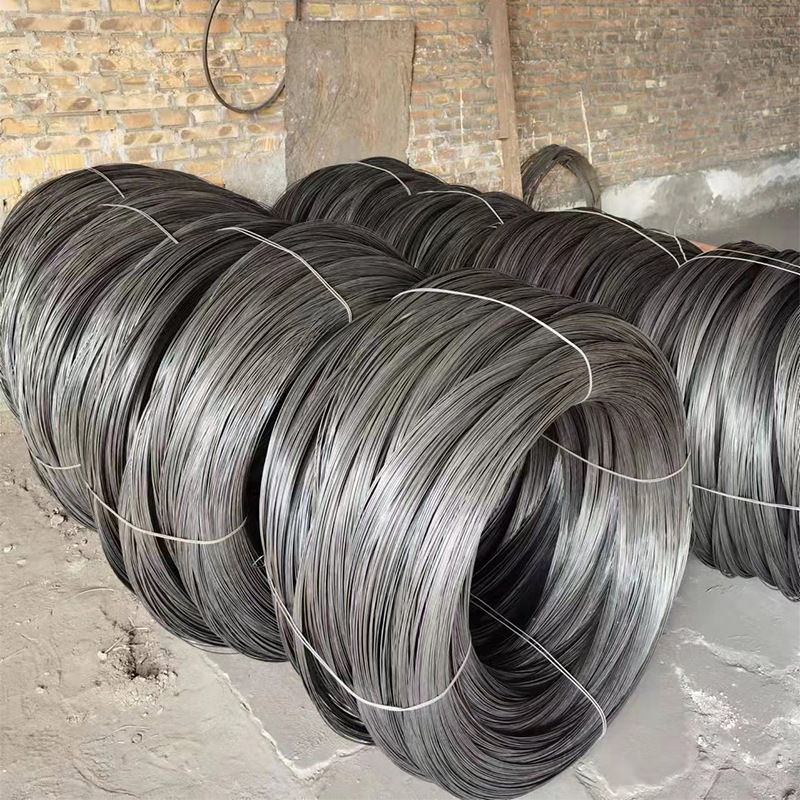
Why Black Steel Wire Remains the Preferred Choice for Structural Binding
Thermal Annealing and Ductility: How Processing Defines Workability
When black steel wire goes through thermal annealing, which involves carefully controlled heating followed by gradual cooling, it becomes much more flexible without losing strength. The results? About 15 to 20 percent more stretch compared to regular wire, allowing workers to bend it precisely around those tricky rebar intersections while keeping the load spread evenly across the structure. On construction sites, this makes a real difference too. Crews report installing things about 30% quicker since there's less springback when working manually. For buildings in earthquake-prone areas, this matters a lot. Tests on vibrations reveal something interesting: structures held together with this treated wire show roughly 40% fewer cracks spreading through them according to research published in the ACI Materials Journal last year. Makes sense really, given how important flexibility can be during seismic events.
ASTM A641 Compliance: Balancing Tensile Strength and Elongation for Safe Handling
When black steel wire complies with ASTM A641 standards, it hits that sweet spot between strength and flexibility, delivering tensile strength in the range of 70 to 90 ksi along with at least 10% elongation. This balance is crucial because it stops the wire from snapping unexpectedly when tensioned, which matters a lot when working with high strength concrete mixes that can reach over 6,000 psi. Testing has shown that certified wire lasts about 2.5 times longer through bending before breaking compared to regular wire that doesn't meet these specs. The consistent elongation properties mean workers can tie things securely without having to crank down too hard, something that actually cuts hand injuries by around 22% according to recent OSHA reports from 2024. Strict quality checks throughout production keep everything uniform too, so diameter variations stay below 0.05 mm across different batches. This level of consistency eliminates those frustrating binding problems caused by wires that aren't all exactly the same size.
Critical Performance Factors of Black Steel Wire in Real-World Conditions
Corrosion Resistance in High-Humidity Environments: Evidence from Tropical Construction Sites
Steel starts to break down pretty fast in those hot, humid climates where the air can be 80 to 95% moisture according to NACE International data. That's why black steel wire comes with special coatings that create tiny protective layers on the surface to stop water from getting in. Real world tests across Southeast Asia have found these treated wires last about three times longer than regular steel options, especially when stored correctly and checked regularly for wear. The protection matters a lot because it keeps the metal strong enough to hold together reinforcement bars in bridge structures near the coast and deep foundations of tall buildings. Without this protection, rust would slowly weaken the steel over time and put entire structures at risk years down the road.
Bend Fatigue Endurance: Sustained Integrity After Thousands of Manual or Machine Ties
When we tie things down repeatedly, the material gets stressed out over time, which is one of the main ways bindings fail eventually. Good quality black steel wire can handle way more than 5,000 bends before showing those tiny cracks that signal trouble ahead. That's actually about 15% better than what ASTM A641 calls for, so there's some extra safety built in. What makes this possible? The manufacturer keeps carbon levels really tight between 0.15 and 0.25 percent, plus they do this heat treatment process called annealing that works wonders on the metal's internal structure. Even when workers apply it manually or machines crank through thousands of ties per minute, the wire still holds onto around 95% of its original strength after all that bending and twisting. This kind of durability isn't optional stuff for buildings in earthquake zones. If the wire starts breaking down from constant stress, whole structures become vulnerable to collapse when forces hit them unexpectedly.
Precision Applications: When Dimensional Consistency of Black Steel Wire Matters Most
TW1061T Tie Wire: Tight Tolerance (0.9–1.2 mm diameter) for Automated Tying Systems
For automated tying systems, getting things right at the micron level is absolutely essential. Even small differences in diameter can lead to all sorts of problems like jams, feeding issues, and expensive downtime. Take the TW1061T specs for example. They specify a pretty tight window between 0.9 and 1.2 mm with tolerances kept within plus or minus 0.1 mm. This attention to detail makes a real difference in practice. We've seen machines that used to jam anywhere from 12 to 18 times per hour now down to just two or fewer incidents. The specially engineered wire also cuts down on misfeeds by around 15% compared to regular versions. What's more important though is how consistent it stays. These wires maintain about 98% tensile strength throughout entire spools. That kind of consistency ensures every single tie has the same tension, which matters when dealing with thousands of automated operations day after day.
| Precision Factor | Standard Wire | TW1061T Specification |
|---|---|---|
| Diameter Tolerance Range | ±0.3 mm | ±0.1 mm |
| Machine Jam Frequency | 12–18/hour | ≤2/hour |
| Tensile Consistency | 85% | 98% |
This dimensional stability eliminates recalibration stops and supports seamless integration into prefabricated concrete workflows—where millimeter-level accuracy governs both structural reliability and schedule adherence.
Cost-Effectiveness Analysis: Black Steel Wire Versus Coated and Alternative Binding Solutions
Black steel wire delivers unmatched value in structural binding—combining affordability with proven mechanical performance. At $650–$720 per ton, it costs 20–30% less than galvanized alternatives (WMC, 2023), yet maintains superior tensile strength (1250–1400 MPa vs. 1000–1200 MPa), making it ideal for load-critical applications like rebar securing in dry or climate-controlled environments.
For low-moisture settings—such as interior frameworks or temporary structures—the economic advantage intensifies:
| Attribute | Black Steel Wire | Galvanized Wire |
|---|---|---|
| Cost per ton | $650–$720 | $850–$950 |
| Tensile strength | 1250–1400 MPa | 1000–1200 MPa |
| Ideal environment | Dry/controlled | High-humidity |
While annealed iron wire offers higher malleability, it sacrifices 15–20% tensile strength—limiting its use in high-stress binding. Contractors consistently select black steel wire for its optimal balance: an average cost of $740/ton, coupled with durability that cuts replacement frequency by 40% versus non-steel alternatives (Construction Materials Journal, 2023).
FAQ
Why is black steel wire preferred over other types for structural binding?
Black steel wire is preferred because of its flexibility, strength, cost-effectiveness, corrosion resistance, and its capability to endure high bend fatigue, making it ideal for both manual and automated tying systems, especially in seismic and humid environments.
What is the significance of ASTM A641 compliance for black steel wire?
ASTM A641 compliance ensures the wire possesses the optimal balance between tensile strength and elongation, which prevents unexpected snapping during use and contributes to safer handling in construction applications.
How does thermal annealing improve black steel wire's properties?
Thermal annealing enhances the ductility of black steel wire, allowing it to stretch more while maintaining strength, making it easier to work with during manual installation and improving its performance in seismic conditions.
How does black steel wire's corrosion resistance benefit construction in humid areas?
Black steel wire has special coatings that protect against moisture penetration, significantly increasing its lifespan and maintaining the integrity of structures in hot, humid climates.
Table of Contents
- Why Black Steel Wire Remains the Preferred Choice for Structural Binding
- Critical Performance Factors of Black Steel Wire in Real-World Conditions
- Precision Applications: When Dimensional Consistency of Black Steel Wire Matters Most
- Cost-Effectiveness Analysis: Black Steel Wire Versus Coated and Alternative Binding Solutions
- FAQ