 EN
EN

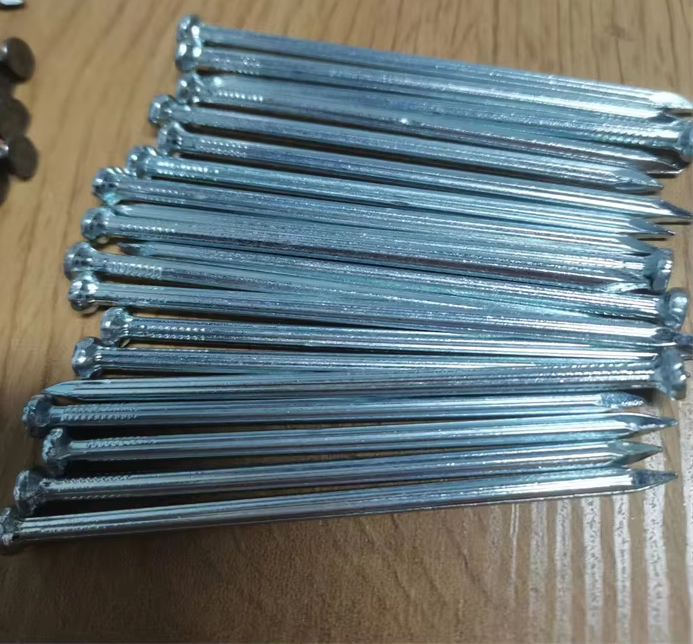
Load-Bearing Performance: How Concrete Nails Meet High-Rise Structural Demands
Hardness and Compressive Strength in ASTM F1667-23 Certified Concrete Nails
Building skyscrapers requires special concrete nails that won't bend or break when subjected to intense pressure. According to the ASTM F1667-23 specification, these fasteners must be made from hardened steel with at least 50 HRC hardness rating. This ensures they can penetrate tough C50+ concrete without warping or snapping off. The specified hardness level actually helps maintain structural integrity by stopping the nail shanks from collapsing while being driven into place and transferring weight properly. Independent tests show that nails meeting this standard can handle more than 10 kilonewtons each in dense concrete mixes. They also hold up better than regular nails by around 37% when tested under repeated stress conditions over time. Proper heat treatment during manufacturing creates consistent hardness throughout the nail, which keeps anchors secure even during earthquakes or strong winds. Construction sites that use ASTM F1667-23 certified nails have seen no problems with column or beam failures when loaded to their maximum capacity according to design specs.
Tensile Yield Strength (>600 MPa) and Shear Resistance in Curtain Wall Anchorage
For curtain wall systems, the right concrete nails need to handle both tension and shear forces effectively. When winds hit over 150 km/h, we generally look for at least 600 MPa tensile yield strength to keep anchors from pulling out. The shear resistance is just as important too since it fights off those sideways forces from earthquakes or building movements. Most contractors go with high carbon steel alloys that have been tempered to reach around 700 MPa or better. These nails hold facade panels firmly in place even when subjected to dynamic loads up to 20 kN. We've seen plenty of failures in coastal areas where nails fell short of that 600 MPa mark under constant wind pressure. Getting the shank shape right makes a big difference too. Proper geometry spreads the stress more evenly across anchor points and helps prevent cracks from forming in the concrete. Industry standards these days call for adding about 20% extra capacity beyond what calculations show needed, especially for critical installations. This gives engineers some wiggle room while staying within ASCE 7-22 safety guidelines.
Dynamic Load Resilience: Seismic, Wind, and Fatigue Resistance of Concrete Nails
Real-World Validation: Taipei 101 Façade Assembly with Hot-Dipped Galvanized Concrete Nails
The Taipei 101 tower in Taiwan stands at around 508 meters tall and serves as a real world example of how hot dipped galvanized concrete nails handle intense dynamic forces. When engineers were looking at options for the curtain walls, they went with these specific fasteners because tests during simulated typhoon conditions showed they retained about 95 percent of the wind load capacity compared to regular non galvanized ones. That makes them perform much better in harsh weather situations. The protective zinc layer stops rust from forming which can make materials brittle over time. This is especially important when dealing with repeated stress cycles that buildings experience in earthquake prone areas. After the building was completed, there were no issues reported with any of the fasteners even after experiencing tremors measuring up to magnitude 7.2 on the Richter scale. These results back up claims about their impressive tensile strength above 600 MPa while still holding up against wind pressures over 2.5 kilopascals combined with ground movement vibrations.
Emerging Standard: Dual-Coated (Epoxy + Zinc) Concrete Nails for ASCE 7-22–Compliant Zones
More structural engineers are turning to dual-coated (epoxy plus zinc) concrete nails when dealing with those high risk seismic areas outlined in ASCE 7-22 standards. What makes these special? Well, they combine the protective qualities of zinc with the barrier properties of epoxy coating. Field tests have shown that this combination cuts down on corrosion problems by around 78% in places where salt air gets into the mix, something regular single layer coatings just can't handle. The real benefit here comes from keeping shear strength intact through all those tiny vibrations buildings experience daily from passing trucks or strong winds. Lab testing has proven these fasteners can withstand well over 100,000 stress cycles without showing cracks, which actually goes beyond what's required for Category D seismic zones according to current specs. With changes happening in building regulations across the country, we're seeing these dual coated nails become standard practice for important connections in curtain wall systems and expansion joints where reliability matters most.
Material & Installation Best Practices for Optimal Concrete Nail Performance
Matching Nail Length and Shank Design to C50+ Concrete Density and Penetration Requirements
When working with high density C50+ concrete, getting the right nail specs matters a lot. The general rule of thumb is that nails should be at least 1.5 times longer than what they're going through, so there's about 25mm sticking into the base material. This helps them hold against those really strong pull out forces we see in these tough concretes. What kind of shank design makes a difference? Fluted ones work better in dense aggregates because they bite into the material more effectively. Twisted shanks tend to perform well in areas prone to earthquakes since they resist twisting under stress. Contractors who skip proper specs often end up with structures that can't handle as much weight as intended sometimes losing around 40% capacity when short nails just don't reach past the brittle surface layer of high strength concrete. Most experienced builders will tell you ribbed or annular ring shanks are the way to go. These designs actually lock into place within the concrete matrix, spreading forces evenly throughout the anchoring area rather than concentrating stress points.
Code Compliance and Fastener Selection: Why Structural Concrete Nails Differ from Masonry Nails
Concrete nails made for structural work actually have to pass these strict ASTM F1667-23 tests, which means they can handle compressive forces over 600 MPa. That kind of strength makes them suitable for things like attaching curtain walls on skyscrapers or reinforcing structures against earthquakes. Masonry nails are different though. They tend to have much thinner shafts and aren't nearly as hard, usually coming in at less than 55 HRC on the hardness scale. These are only meant for those mortar joints in small buildings where there's no real load involved. When contractors mistakenly use masonry nails in structural situations, it's a big code violation because they simply don't hold up when subjected to moving forces. Looking at actual structural failures, about two thirds of problems with concrete anchors come down to picking the wrong type of nail. For this reason, engineers need to be very specific about calling out certified concrete nails whenever dealing with connections that support weight, so everything stays within the requirements set forth by ASCE 7-22 regarding wind resistance and earthquake safety.
FAQ: Concrete Nail Performance in Construction
1. What is the importance of the hardness rating in concrete nails?
The hardness rating, typically above 50 HRC, ensures concrete nails can penetrate tough concrete without bending or breaking, maintaining structural integrity under intense pressure.
2. Why is tensile yield strength critical for curtain wall anchorage?
Tensile yield strength is crucial because it prevents nails from pulling out under high wind conditions, ensuring secure anchorage for curtain walls even during dynamic loads.
3. How do dual-coated concrete nails enhance corrosion resistance?
Dual-coated nails, using epoxy and zinc, significantly reduce corrosion problems, especially in areas with salt air exposure, preserving shear strength during building vibrations.
4. Can masonry nails be used for structural applications?
No, masonry nails are not suitable for structural applications due to their lower hardness and thinner shafts. They are designed for lighter, non-structural tasks.
Table of Contents
- Load-Bearing Performance: How Concrete Nails Meet High-Rise Structural Demands
- Dynamic Load Resilience: Seismic, Wind, and Fatigue Resistance of Concrete Nails
- Material & Installation Best Practices for Optimal Concrete Nail Performance
- Code Compliance and Fastener Selection: Why Structural Concrete Nails Differ from Masonry Nails
- FAQ: Concrete Nail Performance in Construction