 EN
EN

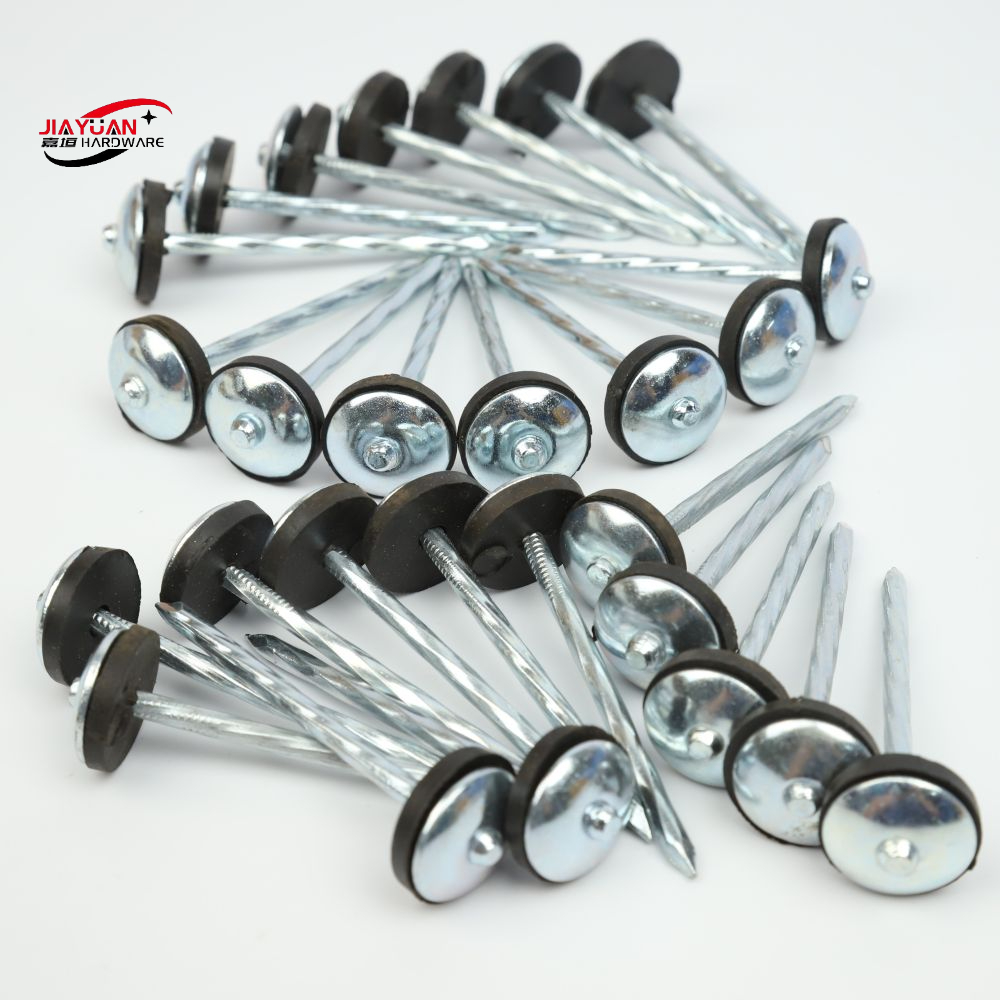
Corrosion-Resistant Roofing Nail Materials for Coastal and Harsh Climates
Stainless Steel vs. Hot-Dipped Galvanized vs. Copper: Performance in Salt-Air Environments
When it comes to roofing in coastal areas, stainless steel nails rated at grade 316 stand out for their amazing ability to resist corrosion. These little guys show almost no signs of rust even after sitting through 10 years of salt spray tests according to ASTM B117 standards. That's why builders in hurricane zones turn to them so often since regular fasteners just can't handle the constant exposure to salty air and moisture. For those looking for something cheaper though, hot dipped galvanized nails work pretty well too. The zinc coating on these acts as a shield that gives way before the nail itself gets damaged, but how long they last really depends on how thick that coating is. Standard ones with about 1.8 ounces per square foot usually hold up for around 15 to 20 years in normal weather conditions. But if we're talking about putting them near the ocean, folks need to go with the heavier 3.0 oz version to make sure they last past 25 years without failing. Copper nails have their place too, especially when working with slate roofs. They form this special kind of protective layer over time called a patina that actually helps prevent corrosion while keeping everything structurally sound. Still, most contractors avoid them because they come with a price tag that's tough to justify and there's always the chance of problems when copper meets other metals like steel or aluminum components in the roof system.
Why Aluminum Roofing Nails Are Avoided Despite Corrosion Resistance: Galvanic Compatibility Risks
Despite being resistant to rust naturally, aluminum nails actually pose big problems when it comes to compatibility with other metals in standard roof setups. When they touch different kinds of metal like steel flashing or copper valleys, aluminum acts as what's called an anode in the electrochemical scale. This causes corrosion to happen much faster than normal, sometimes over half a millimeter per year in areas with lots of humidity and salt air according to NACE research from 2023. What happens next is pretty bad for roofs. The nails lose their grip quickly, build up oxide layers that weaken how things stay connected, and leave ugly stains right next to the shingles. Even single aluminum nails not touching anything else can still fail because of something called cathodic runoff. Basically, water finds ways between metals creating secret paths for corrosion to spread. Because of all this trouble, important building regulations such as the International Residential Code and the Florida Building Code now specifically ban using aluminum roofing nails along coastlines where salt air is a constant issue for construction professionals working there.
Shank Design and Holding Power of Roofing Nails in High-Wind and Hail Conditions
Ring Shank vs. Screw Shank vs. Smooth Shank: ASTM Wind-Uplift Benchmarks
Shank geometry is a decisive factor in how roofing nails resist wind uplift and cyclic loading. Per ASTM D1761 (2022) and F1667 testing protocols:
- Ring shank nails provide 40% higher withdrawal resistance than smooth shanks by mechanically interlocking with wood fibers
- Screw shank nails deliver intermediate uplift resistance via helical threading—but demand precise torque control to avoid substrate splitting or under-driving
- Smooth shank nails exhibit the lowest wind-uplift capacity, failing at just 60 PSI in standardized uplift benchmarks
These differences arise from how each design manages shear stress distribution during repeated loading. In hurricane-prone areas, ring shanks are the industry-preferred choice for asphalt shingles—reducing tear-off incidents by 58% compared to smooth shanks under simulated 110-mph winds.
Ring Shank Roofing Nails Deliver ~300% Greater Withdrawal Resistance in OSB Under Simulated 150-MPH Gusts
Ring shank nails consistently outperform alternatives when securing OSB sheathing under extreme wind loads. Testing shows they achieve approximately 300% greater withdrawal resistance than smooth shanks during simulated 150-mph gusts. This stems from three key mechanical advantages:
- Micro-grooves create irreversible mechanical locks with wood substrates
- Stress is distributed across multiple engagement points, preventing localized fiber failure
- Performance remains consistent after 5,000+ wind-cycling tests—demonstrating fatigue resilience
These traits make ring shanks essential where uplift forces exceed 150 PSI—a threshold common along Category 4 hurricane paths. Field data confirms structures using ring shank nails experience 71% less shingle displacement during real-world 130+ mph wind events compared to screw or smooth shank alternatives.
Precision Sizing of Roofing Nails: Gauge, Length, and Code-Compliant Penetration
The ¾-Inch Deck Penetration Rule: Calculating Optimal Roofing Nail Length by Sheathing and Underlayment
When it comes to building codes these days, especially those set by the IRC and ASTM D1761 standards, there's really no getting around the 3/4 inch deck penetration rule. This isn't just some suggestion folks can ignore if they feel like it. The whole point of making sure nails go at least three quarters of an inch into the roof sheathing is so they won't pull through during storms or high winds. Without proper penetration, roofs just aren't going to hold up against serious weather events. And let's face it, nobody wants their house turning into a flying object when hurricane season rolls around. Figuring out what size nails work best depends on several factors including local climate conditions and specific roofing materials used.
- For standard ¾-inch or thicker sheathing (e.g., plywood or OSB), use 1¼- to 1¾-inch nails
- For thinner sheathing (e.g., ½-inch OSB), select nails long enough to fully penetrate and extend at least ⅛ inch beyond the deck surface
- Add the combined thickness of underlayment, shingle layers, and flashing—e.g., a 0.3-inch synthetic underlayment plus 0.4-inch architectural shingles adds 0.7 inches to the base length
Deviating from this rule can reduce withdrawal resistance by up to 50% in high-wind simulations. Always cross-reference local amendments, as some coastal jurisdictions require deeper penetration or minimum gauge specifications for enhanced durability.
FAQ
What is the best material for roofing nails in coastal areas?
Stainless steel nails are recommended for their superior corrosion resistance, particularly in salt-air environments. Hot-dipped galvanized nails are a more cost-effective alternative if properly coated.
Why should aluminum nails be avoided in roofing?
Aluminum nails can cause rapid corrosion due to galvanic compatibility issues when in contact with other metals, leading to structural problems.
Which type of shank design offers the best resistance in high-wind areas?
Ring shank nails are preferred in hurricane-prone areas due to their higher withdrawal resistance compared to smooth and screw shank designs.
What is the importance of the ¾-inch deck penetration rule?
Ensuring nails penetrate at least ¾ inch into the roof sheathing is crucial for maintaining structural integrity during storms and high winds, as per building codes.