 EN
EN

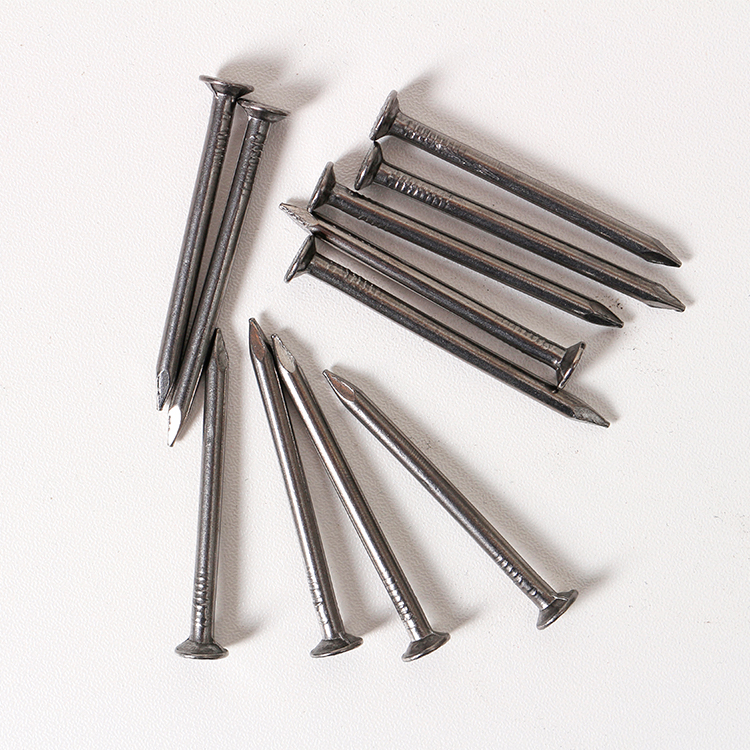
Superior Strength and Structural Reliability of Common Wire Nails
Steel composition and high tensile strength of common wire nails
Most common wire nails come from steel wire that has between low and medium carbon content, giving them tensile strength ranging somewhere around 400 to 700 MPa. What makes these nails work so well is their ability to handle some bending without breaking, which means they can take on structural shifts in wood without snapping like other brittle options. They stay strong even when hammered into hard woods too. While most manufacturers don't bother with heat treatments, many apply zinc coatings to protect against rust and corrosion, something really important if the nails will be outside or in damp environments for years. Manufacturers also focus on making sure each nail has a nice sharp tip and consistently shaped head, so they seat properly whether someone is using an old fashioned hammer or one of those modern air guns that drive nails super fast.
Exceptional holding power in wood-to-wood connections
Nails with barbed shanks offer much better grip than their smooth counterparts when it comes to holding things together. Tests show these special designs can resist pulling out about 72% more than regular nails in heavy duty jobs because they create more friction against the wood grain. The size matters too. Take a standard 16d nail with a 0.125 inch diameter for instance. It holds around 1,200 pounds of sideways force in Douglas fir connections, which is roughly 40% stronger than thinner nails. This kind of strength really helps prevent those annoying slips at joints when there's movement happening, something that actually causes most failures in wooden structures over time.
Performance under shear and withdrawal forces in framing
Wire nails are pretty good at handling those sideways forces we call shear stress as well as the straight pull forces known as withdrawal stress that happen all the time in building frames. The steel used makes these nails bend just enough when force comes from the side, spreading out the impact over the whole nail instead of letting it all focus on one spot where things might break. When it comes to keeping nails from pulling out, two main factors matter most: how rough the shaft is and how deep they go into the wood. If someone drives a nail at least 1.5 times deeper than the thickness of whatever material sits on top, studies show this cuts down on pull out problems by around 60% versus just sticking the nail halfway in. That's why builders rely so much on proper nail installation techniques for structures that need to stand up during earthquakes.
Durability under long-term load and environmental exposure
Common galvanized wire nails can still hold about 90 percent of their ability to resist rust even after sitting for 25 years in damp conditions. That's actually 36 points better than regular uncoated nails would manage. The zinc coating acts as a shield against rust that eats away at the nail's size, so they keep holding things together for many years without losing grip. Another thing working in their favor is steel's natural property of not expanding too much when temperatures change, which means these nails stay tight through all seasons outside. Plus, good quality UV stable coatings make sure they don't start breaking down early like cheaper alternatives do, avoiding that 23% faster wear problem often seen with lower grade fasteners on the market.
Core Applications in Framing and Load-Bearing Construction
Common wire nails are foundational in structural systems, offering unmatched reliability in critical building components.
Widespread use in wall, floor, and roof framing systems
Builders rely on these fasteners for:
- Wall framing: Securing studs and plates in load-bearing configurations
- Floor systems: Joining joists and subflooring with consistent shear resistance
- Roof assemblies: Anchoring trusses and sheathing against wind uplift forces
Proven performance in structural and load-bearing scenarios
Common wire nails deliver exceptional withdrawal strength—up to 1,200 lbs for 16d nails in softwood per APA Engineered Wood Association guidelines. Their ductile steel composition withstands cyclical stress, making them ideal for:
- Multi-story gravity load transfer
- Seismic bracing connections
- Long-span floor system integrations
Case study: Common wire nails in residential framing vs. alternative fasteners
A 2022 field analysis of 200+ homes revealed:
- Cost efficiency: 30% lower material expenses versus structural screws
- Installation speed: 20% faster nailing versus screw driving
- Shear capacity: 18% higher load tolerance than ring-shank alternatives in identical Douglas fir applications
This combination of economy and structural integrity maintains common wire nails as the preferred solution for high-volume framing.
Versatility Across Diverse Construction and Carpentry Tasks
Use beyond framing: decking, trim work, and light construction
Wire nails do a lot more than just hold up walls and frames around here. The way they're made with consistent thickness helps avoid those annoying splits when working with treated wood on decks. When it comes to finishing touches like baseboards or crown molding, going with the thinner sizes like 6d or 8d makes all the difference. They grip well without leaving big holes visible after painting. For lighter jobs such as building sheds or putting up fences, these little guys actually hold better than staples or tiny brad nails we sometimes see. Especially when attaching fence boards together at overlapping corners, regular wire nails stand their ground where others might fail under stress.
Adaptability in furniture assembly and DIY building projects
Both hobbyists and professional woodworkers reach for those standard wire nails when fixing up furniture or tackling DIY projects because they're easy to find and work with just about any tools around the shop. Specialized screws need specific drivers, but regular nails fit right into any old hammer or air nailer without fuss. The rounded ends help prevent splintering when building bookshelves from pine or other soft woods. And let's face it, nobody wants their workbench coming apart at the seams when someone leans against it. These nails hold up pretty well under sideways pressure too, which is why many craftsmen still swear by them despite all the fancy alternatives on the market today.
Comparison with specialty fasteners: when common nails outperform
Screws are still king for those really precise jobs, but regular wire nails beat them hands down when it comes to getting things done fast and cheap for big projects. According to some research from last year on fastener performance, workers can install roof sheathing about 40% quicker using nails instead of screws. When building temporary stuff like formwork for concrete pours, these nails come out clean enough to reuse multiple times something ring shank nails just cant do. And dont even get me started on how much better they handle compared to glue in places where temperatures go up and down all day long. Just look at playground equipment outside most of that stuff holds together because of good old fashioned nails, not sticky goo.
| Application | Common Wire Nail Advantage | Specialty Fastener Limitation |
|---|---|---|
| Roof Sheathing | 40% faster installation | Higher labor cost with screws |
| Concrete Formwork | Reusable with minimal wood damage | Adhesives complicate disassembly |
| Outdoor Structures | Maintains grip under thermal stress | Polymer adhesives degrade in UV exposure |
Cost-Effectiveness and Economic Benefits in Large-Scale Projects
Affordability and savings in high-volume construction
Wire nails are generally the cheapest option when it comes to structural fasteners, costing around just two cents apiece according to the Construction Materials Index from 2023. For standard home building jobs that need anywhere between fifteen thousand to thirty thousand nails, this price difference adds up big time for contractors who save about 25 to 40 percent on materials compared with those fancy specialty fasteners. And what makes these regular old wire nails even better is how they hold up year after year. Made from solid steel, they don't need replacing for decades which means homeowners end up saving money in the long run too. The initial savings combined with lasting durability really makes them worth considering for any construction project where budget matters most.
Bulk availability and integration in supply chain logistics
Manufacturers produce over 5 billion units monthly, supporting just-in-time delivery globally. Standardized sizing ensures seamless compatibility with all major pneumatic nail guns and inventory management systems. Logistically, a single pallet containing 500,000 nails occupies less than 3% of typical lumber shipment volume—maximizing freight utilization and minimizing storage overhead.
Why cost-efficiency drives builder preference for common wire nails
Most builders go for regular wire nails whenever building codes allow it. According to recent data from NAHB (2023), around 89% of framing crews consider these the main fastener for homes they build. Why? Three simple reasons really drive this choice: they're cheap to buy initially, don't need any special care over time, and since everyone uses them, there's no hassle with buying new tools or spending hours training workers on something different. For projects where money is tight, whether it's a small contractor working on a tight margin or a developer trying to keep costs down across multiple units, these savings can make all the difference between getting the job done or having to walk away from it altogether.
Industry Dominance: Why Common Wire Nails Remain the Standard
Common wire nails continue to dominate the construction industry despite innovations in fastening technology. Their enduring popularity stems from proven reliability and economic efficiency in structural applications.
Market trends and builder adoption (2010–2023)
Looking back at the last ten years, most construction professionals still favor regular wire nails for their work. According to recent surveys from Construction Materials in 2023, around 7 out of 10 home builders stick with these staples for framing jobs because they cost less money upfront and get the job done quicker than those fancy specialty fasteners on the market. Interesting thing is, this habit hasn't changed much despite all the new glues and screws coming onto the scene recently. Many experienced tradespeople argue that nothing beats good old fashioned nails when it comes to getting things built fast without breaking the bank.
Standardization in building codes and compatibility with nail guns
Building codes worldwide recognize common wire nails as compliant structural connectors. Their standardized dimensions—including a 3.1mm shank diameter and diamond-shaped point—ensure seamless compatibility with pneumatic nail guns used across modern construction. This universality reduces training requirements and eliminates equipment mismatch on job sites.
Sustained demand despite advances in fastening technology
While screws offer higher withdrawal resistance in specific applications, common wire nails maintain superiority in shear-load scenarios like wall framing. Their cost-to-performance ratio remains unmatched: at $0.02 per unit versus $0.12 for comparable screws, they deliver 40% faster installation with equivalent structural integrity in load-bearing assemblies (Framing Efficiency Report 2023).
Frequently Asked Questions
What makes common wire nails superior in construction?
Common wire nails are made from steel with low to medium carbon content, providing high tensile strength and reliability even under structural shifts. Zinc coatings enhance rust resistance, making them optimal for long-term use.
How do common wire nails perform in framing tasks?
They deliver superior shear and withdrawal resistance, essential for multi-story gravity load transfer and seismic bracing connections. Proper installation techniques greatly reduce pull-out issues.
Why are wire nails cost-effective for high-volume projects?
These nails are cheap, costing about $0.02 per unit, making them a budget-friendly choice compared to specialty fasteners. Their durability means lower long-term costs despite initial savings.
Table of Contents
- Superior Strength and Structural Reliability of Common Wire Nails
- Core Applications in Framing and Load-Bearing Construction
- Versatility Across Diverse Construction and Carpentry Tasks
- Cost-Effectiveness and Economic Benefits in Large-Scale Projects
- Industry Dominance: Why Common Wire Nails Remain the Standard
- Frequently Asked Questions