 EN
EN
Match Scaffolding Type and Material to Project Scale and Load Requirements
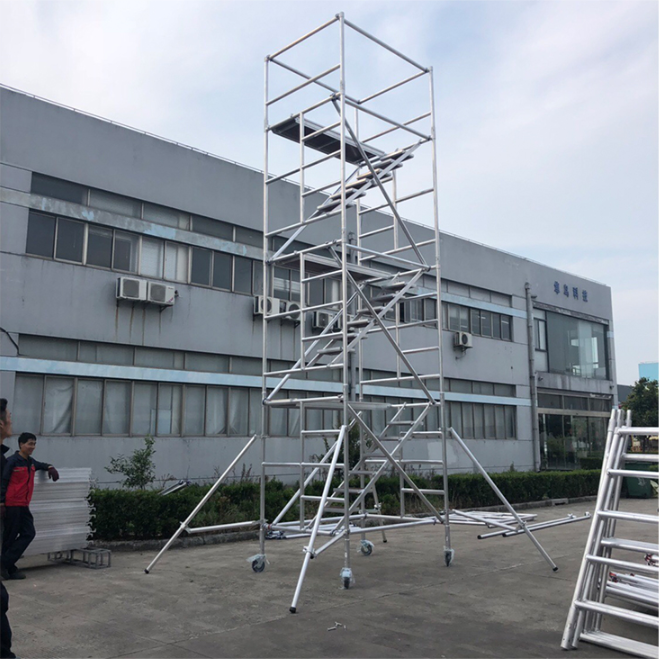
Cup-lock vs. ring-lock vs. frame scaffolding: Comparing assembly speed, load capacity, and suitability for high-rise or heavy-duty sites
Frame scaffolding goes together really fast but can only handle about 50 pounds per square foot max, so it works best for simple jobs at ground level such as single story warehouses or fixing building exteriors. Cup lock systems offer something in between when it comes to how quickly they go up and what weight they can take, around 75 psf typically. These are good choices for regular buildings with multiple floors both residential and commercial ones. Ring lock scaffolding stands out because of its strength rating of over 75 psf per connection point thanks to those special interlocking parts that spread out the weight both vertically and horizontally across the structure. The way these systems are engineered allows them to work well even with complicated shapes and changing load requirements. That's why contractors tend to favor ring lock setups for tall buildings, bridge projects, and other heavy duty industrial applications where safety standards need to be rock solid and the system needs to adapt to different situations without fail.
| System | Assembly Speed | Max Load Capacity | Best For |
|---|---|---|---|
| Frame | Fastest | 50 psf | Low-height, simple structures |
| Cup-lock | Moderate | 75 psf | Multi-story standard builds |
| Ring-lock | Moderate-slow | 75+ psf | High-rises, complex designs |
Q345 steel scaffolding: Balancing 25% higher yield strength against 12–18% material cost premium
The 345 MPa yield strength of Q345 steel gives it about 25% more strength compared to regular Q235 steel. This means scaffolds can be built thinner yet still strong enough, requiring less vertical support and cutting down on parts needed for construction, especially in those tall warehouse spaces where we typically see 15 to 20% fewer components used overall. Sure, the upfront material costs run around 12 to 18% higher than alternatives, but when looking at big projects that need over 100 tons worth of scaffolding, the lighter weight actually saves money during transportation, reducing shipping expenses by roughly 8 to 12%. Many structural engineers have started specifying Q345 steel particularly in areas prone to earthquakes because it bends better instead of breaking suddenly when subjected to repeated stresses from ground movement. This kind of flexibility has been recognized as important by the latest building codes outlined in ASCE 7-22 standards for seismic design.
Galvanized scaffolding ROI: Extended service life (3–) justifies 20–25% upfront cost in humid, coastal, or industrial environments
Adding hot dip galvanizing to scaffolding increases upfront costs by around 20 to 25 percent, but it pays off big time when looking at long term performance, especially where corrosion is a problem. Take coastal areas for example. Regular Q235 scaffolding without any protection tends to fall apart after just 2 or 3 years. Galvanized versions stick around much longer, usually between 7 and 10 years before needing replacement. The situation gets even more interesting in places like petrochemical plants where there are constant acid fumes in the air. A standard 150 micron zinc coating stands up against these harsh conditions far better than paint does, which often starts failing within 18 months. Looking at the bigger picture, all this extra durability translates into roughly 40% savings over the entire lifespan of the scaffold. For projects exposed to saltwater or high humidity environments, the added cost of galvanizing actually gets paid back in less than 30 months. According to industry experts from the National Association of Corrosion Engineers, hot dip galvanizing still holds the title as the best bang for buck solution when protecting reusable steel scaffolding against corrosion in tough environments.
Renting vs. Buying Scaffolding: Calculating True Total Cost of Ownership
Break-even analysis: When purchase becomes cost-effective (e.g., >14 months continuous use or multi-phase projects)
It usually takes around 14 months of non-stop usage before owning equipment starts making financial sense, something that often happens in big projects like hospital complexes, transportation centers, or tall buildings going through multiple construction phases. Take the case of buying a Q235 galvanized system for about $18k instead of paying $1,200 each month to rent it. After those initial 14 months, businesses typically save around 40% overall compared to continued rental costs. When calculating whether to buy or rent, people need to look at several factors including how long these galvanized assets last before they wear out completely (usually between 5 to 8 years), plus ongoing costs for storing them and keeping them maintained (around 3 to 5 percent of what they originally cost). Looking ahead at how much the equipment will actually get used on upcoming jobs matters too, not just what's needed right now. According to industry data from the Construction Financial Management Association's 2023 report, companies that manage to keep their equipment busy at least 60% of the time over two full years tend to see good returns when they decide to purchase rather than rent.
Hidden rental costs: Delivery, mobilization labor, idle-time penalties, and damage liability erode up to 22% of quoted savings
Rental agreements often mask expenses that significantly narrow the gap between leasing and owning. Industry data shows four recurring cost drivers collectively absorb up to 22% of budgeted scaffolding funds:
| Cost Category | Impact Range | Frequency in Contracts |
|---|---|---|
| Mobilization/demobilization | 8–12% | 92% of agreements |
| Weather/idle-time penalties | $75–$150/day | 67% of projects |
| Damage liability clauses | 15–30% of value | Industry standard |
| Ancillary transport fees | $400–$800/load | 85% of urban sites |
These factors push total rental expenses to nearly 97% of ownership costs for projects under 10 months. To avoid surprises, contractors should require line-item quotes and evaluate purchase financing options at prevailing rates (6–9% APR), especially when paired with tax advantages like Section 179 depreciation.
Optimize Labor and Logistics Efficiency to Reduce Scaffolding’s Largest Cost Driver
Skilled erection labor accounts for 45–60% of total scaffolding cost—how system modularity and training reduce man-hours
According to industry research from CFMA and Dodge Data & Analytics, labor costs make up roughly half of what goes into building scaffolding projects, somewhere between 45% to 60% of the total budget. The newer modular systems such as ring lock technology can really cut down on assembly time compared to traditional frame scaffolding methods. These systems have those standardized connections without bolts which speeds things up vertically and takes away some of that mental exhaustion workers feel when making decisions on site all day long. When workers get proper training programs like the OSHA 30 hour course plus specific manufacturer instructions about how to rig equipment correctly, certified teams actually finish high rise installations about 40% quicker than before while still following all safety regulations. Companies that invest in both better engineered systems and well trained staff see fewer problems with misaligned structures, avoid expensive falls that typically cost around $1.2 million each time they happen according to BLS data from 2023, and generally keep their construction schedules running smoother overall.
Transparency in quoting: Why line-item breakdowns (base units, bracing, anchors, inspection fees) prevent budget overruns
Granular, line-item quotations eliminate ambiguity and safeguard against common budget leaks. Four key categories demand explicit disclosure:
- Component fragmentation: Pricing base jacks, ledger bracing, and anchor points separately reveals true material scope and flags potential under-specification.
- Logistics blind spots: Isolating mobilization/demobilization fees avoids transport cost surprises—especially critical in dense urban or remote sites.
- Compliance requirements: Itemizing inspection, certification, and wind-load validation ensures regulatory readiness without mid-project retrofits.
- Damage accountability: Clear terms for bent standards or missing planks align expectations and reduce disputes.
Projects using detailed quotes experience 18% fewer budget overruns compared to bundled estimates (CFMA 2023). This transparency also enables objective vendor comparisons and identifies optimization opportunities—like reusable diagonal bracing or integrated guardrail systems—that lower long-term costs without compromising safety.
Embed Safety and Compliance into Cost Planning—Not as an Afterthought
When companies treat safety as something tacked on after the design phase, they're basically asking for big money problems. The National Safety Council says non-compliance costs often end up being over three times what it would have cost to prevent those issues in the first place. Looking at their 2022 numbers, workplace injuries across America added up to around $167 billion last year alone. Most of this came from lost work time, legal battles, and workers comp payments. For scaffolding work specifically, getting safety right from the start isn't just morally correct it actually saves businesses tons of cash down the road. People who skip wearing proper protective gear get hurt three times more often than those who follow the rules. That makes enforcing safety protocols not just about following regulations but also about keeping wallets full. Smart project managers build safety requirements right into the initial plans, setting aside specific funds for things like guardrails, slip-resistant surfaces, certified anchor points, and daily checklists during the blueprint stage. This approach helps avoid costly stoppages, expensive OSHA fines (which can hit $15k or more for each serious violation), and time-consuming retrofits later on. When budget plans clearly account for fall protection equipment, wind load calculations, and outside inspections, safety stops being seen as an extra expense and becomes part of the overall strategy. Construction projects that make safety a core component from day one experience about 31% fewer delays caused by accidents. This shows why putting safety at the forefront benefits everyone involved while protecting bottom lines too.
Why Choose Jiayuan Steels?
FAQ
What are the main differences between cup-lock, ring-lock, and frame scaffolding?
Frame scaffolding assembles the fastest but has the lowest load capacity. Cup-lock offers moderate assembly speed and load capacity, suitable for multi-story standard buildings. Ring-lock provides the highest load capacity with moderate assembly speed, ideal for high-rises and complex designs.
Why is Q345 steel preferred for scaffolding?
Q345 steel offers 25% higher yield strength compared to Q235, allowing for thinner and stronger scaffolds. It is cost-effective for projects needing over 100 tons of scaffolding and performs well in earthquake-prone areas.
What is the advantage of galvanized scaffolding?
Galvanized scaffolding provides extended service life, justifying its 20–25% upfront cost. It's especially beneficial in humid, coastal, or industrial environments where corrosion is a concern.
When is it better to buy scaffolding instead of renting?
Owning scaffolding becomes cost-effective after approximately 14 months of continuous use or for multi-phase projects. Renting can be more expensive due to hidden costs and fees.
How do modular scaffolding systems reduce labor costs?
Modular systems like ring lock reduce assembly time and labor costs due to their standardized connections, which streamline installation and require less mental effort on-site.
Table of Contents
-
Match Scaffolding Type and Material to Project Scale and Load Requirements
- Cup-lock vs. ring-lock vs. frame scaffolding: Comparing assembly speed, load capacity, and suitability for high-rise or heavy-duty sites
- Q345 steel scaffolding: Balancing 25% higher yield strength against 12–18% material cost premium
- Galvanized scaffolding ROI: Extended service life (3–) justifies 20–25% upfront cost in humid, coastal, or industrial environments
- Renting vs. Buying Scaffolding: Calculating True Total Cost of Ownership
- Optimize Labor and Logistics Efficiency to Reduce Scaffolding’s Largest Cost Driver
- Embed Safety and Compliance into Cost Planning—Not as an Afterthought
- FAQ