 EN
EN

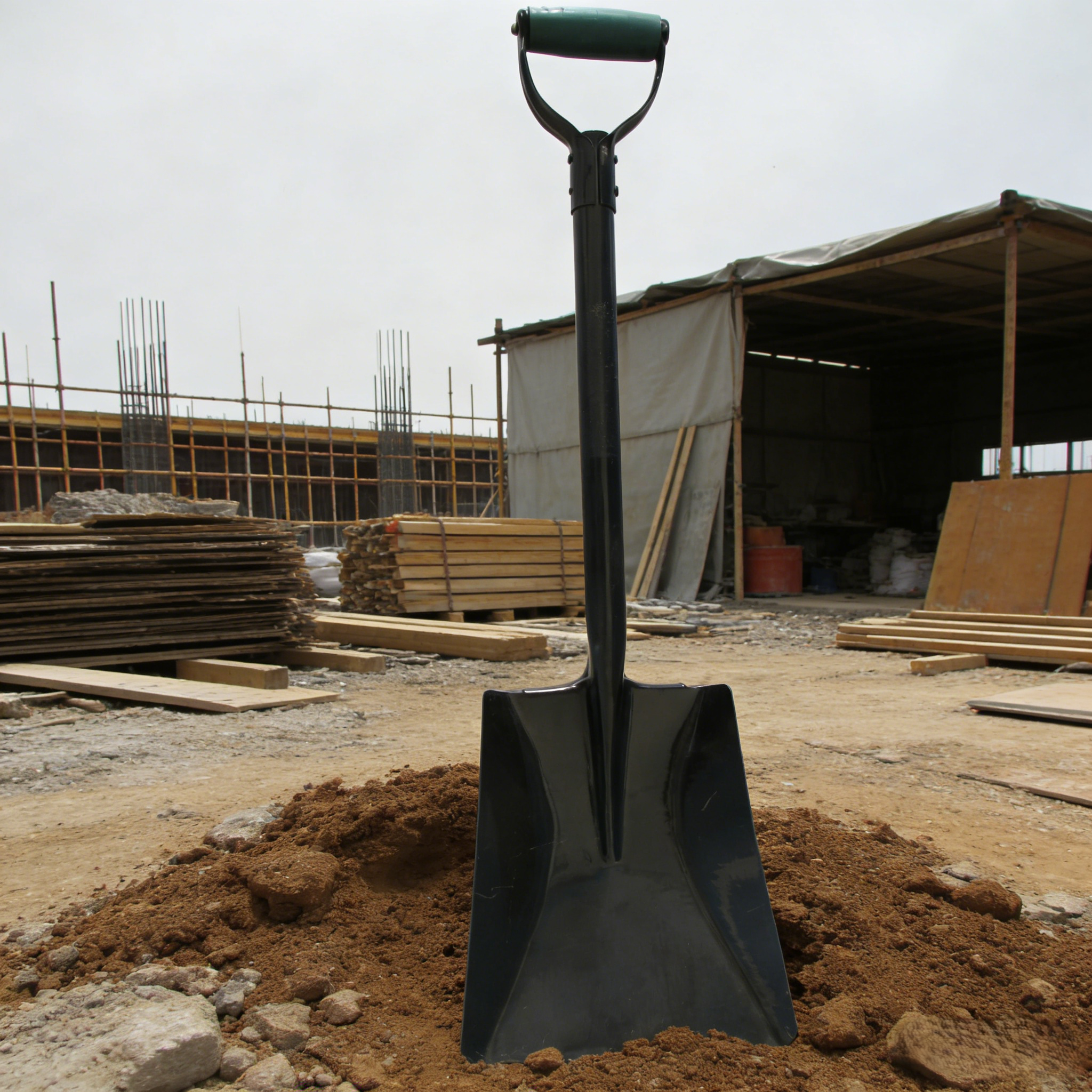
Why Bulk Procurement of Hand Tools Drives Efficiency and Safety on Construction Sites
Reducing downtime through guaranteed availability and standardized hand tools
Getting all the hand tools standardized across construction crews saves tons of time that would otherwise be lost looking for the wrong size or type of equipment. Imagine everyone on site has exactly the same wrenches, hammers, and saws lying around. When something breaks or gets lost, there's always a replacement handy nearby. Studies show this can cut down on tool hunting delays by about 40 percent according to Finchale in 2024. Buying in bulk makes sure we never run out of essential tools when projects get busy, so work doesn't come to a grinding halt. Training becomes much easier too. Workers learn how to handle one specific set of ergonomic tools instead of constantly switching between different brands. This cuts down injuries because nobody is fumbling with unfamiliar grips or struggling against poorly designed handles anymore.
23% average cost savings: How volume purchasing lowers TCO for professional-grade hand tools
Buying in bulk brings those tiered discount levels that can cut initial costs anywhere from 15 to 30 percent per item when compared to buying each piece separately. But where the real money starts saving itself is looking at the long term value picture. Professional quality hand tools just last so much longer than their consumer counterparts. We're talking about tools that can handle roughly triple the amount of work before they need replacing. When companies centralize their buying process, they save even more money. Shipping costs drop significantly since everything comes together instead of multiple smaller shipments. Maintenance agreements become simpler to manage across the board, and processing all those purchase orders becomes one task rather than dozens. All these factors combined typically result in around a 23 percent drop in what it actually costs to own these tools over a three year period. Plus, workers get tools that perform consistently without breaking down as often.
Top Essential Hand Tools for High-Demand Construction Applications
OSHA-aligned priority list: The 7 most critical hand tools by incident frequency and workflow dependency
OSHA compliance requires prioritizing hand tools that simultaneously reduce injury risks and maintain workflow continuity. Based on incident reports and operational dependency analysis, these seven tools deliver maximum safety and productivity impact:
- Claw hammers (25% of struck-by incidents)
- Utility knives (18% of lacerations)
- Adjustable wrenches (primary source of pinch-point injuries)
- Screwdrivers (12% of hand tool slips)
- Pliers (critical for electrical safety compliance)
- Tape measures (trip hazards during layout work)
- Chisels (eye injury risks during demolition)
Professional crews using OSHA-aligned tools report 31% fewer lost-time injuries (BLS 2023) while maintaining project timelines. Standardization ensures immediate replacement when tools exceed wear thresholdsȃe; eliminating downtime from shortages.
Professional-grade vs. consumer-grade hand tools: Fatigue resistance, torque consistency, and lifecycle value
Construction-grade hand tools deliver distinct advantages through specialized engineering:
| Performance Metric | Professional-Grade | Consumer-Grade |
|---|---|---|
| Fatigue Resistance | Ergonomic handles reduce grip force by 40% during extended use | Standard handles increase muscle strain after 2 hours |
| Torque Consistency | ±3% variance across 10,000 cycles | ±15% degradation after 500 cycles |
| Lifecycle Value | 7-year average service life with warranty | 18-month replacement cycle typical |
The 63% higher upfront cost of professional tools yields 220% ROI through reduced replacements and lower worker compensation claims (NSC 2023). For high-torque applications like structural fastening, industrial-grade tools maintain calibration within OSHA tolerances 98% longer than consumer alternativesȃe; preventing costly rework.
Key Bulk Procurement Criteria for Reliable Hand Tools Fleet Management
Brand consistency and cross-platform battery compatibility in cordless hand tools ecosystems
When all cordless hand tools work together in one system, there's no need for different batteries everywhere, which means fewer charging stations taking up space and workers can switch between drills, saws, and impact drivers without hassle. Getting rid of these compatibility issues saves money too, cutting replacement costs around 30% and keeping projects moving since nobody wastes time hunting for the right battery. Some actual testing shows that techs finish jobs about 18% quicker with these compatible systems because they don't have to learn new grips or adjust to different power levels each time they pick up a tool. On construction sites where multiple crews rotate through, having shared battery reserves really helps cut down on downtime between shifts. This matters a lot for busy equipment like rotary hammers and demolition drivers that get used constantly throughout the day.
Service network coverage and warranty scalability for multi-site hand tools deployment
Managing hand tools at different regional locations requires careful supplier selection. Look for companies that have certified service centers nearby, ideally within about 50 miles radius of most sites. This helps get repairs done quickly, usually within a day or so. Good warranty programs should work across multiple regions without needing separate contracts for each area. Larger operations benefit from volume discounts when protecting over 100 tools at once. Don't forget accidental damage coverage either, especially important for heavy impact tools that get shaken up constantly in industrial settings. Many top manufacturers now include real time tracking systems in their offerings. These help predict when maintenance is needed before breakdowns happen, which can actually double how long tools last compared to waiting until something breaks down first. According to recent studies, this proactive approach saves around $740,000 every year at each facility simply by avoiding downtime during key production periods.
FAQ Section
Why is standardizing hand tools beneficial on construction sites?
Standardizing hand tools helps reduce downtime and improves efficiency by ensuring that the right tools are always available, reducing hunting delays and improving the ease of training and safety by minimizing unfamiliarity with different tools.
What are the cost benefits of bulk purchasing hand tools?
Bulk purchasing allows access to tiered discounts, reduces shipping costs, simplifies maintenance and procurement management, and can overall reduce the total cost of ownership by approximately 23% over three years.
Which hand tools are deemed critical for construction applications according to OSHA?
The seven most critical hand tools include claw hammers, utility knives, adjustable wrenches, screwdrivers, pliers, tape measures, and chisels based on safety and workflow dependency priorities.
What are the differences between professional-grade and consumer-grade hand tools?
Professional-grade tools offer greater fatigue resistance, more consistent torque, and longer lifecycle value, which translates to a 220% ROI through fewer replacements and lower worker compensation claims.
How does battery compatibility enhance the efficiency of cordless hand tools?
Battery compatibility reduces the need for different charging stations, allows for easier tool switching, and can reduce downtime, enhancing overall project efficiency.
Table of Contents
- Why Bulk Procurement of Hand Tools Drives Efficiency and Safety on Construction Sites
- Top Essential Hand Tools for High-Demand Construction Applications
- Key Bulk Procurement Criteria for Reliable Hand Tools Fleet Management
-
FAQ Section
- Why is standardizing hand tools beneficial on construction sites?
- What are the cost benefits of bulk purchasing hand tools?
- Which hand tools are deemed critical for construction applications according to OSHA?
- What are the differences between professional-grade and consumer-grade hand tools?
- How does battery compatibility enhance the efficiency of cordless hand tools?