 EN
EN

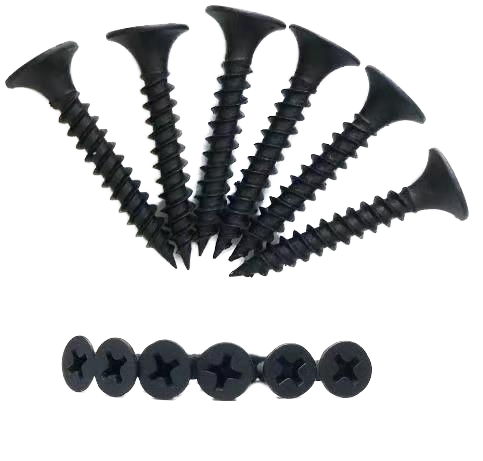
Understanding Drywall Screws: Function and Selection
The Difference Between Drywall Screws and Regular Screws
Drywall screws are engineered specifically for attaching gypsum board, featuring fine threads, self-drilling tips, and bugle heads that seat flush without tearing the paper surface. Unlike coarse-threaded wood screws—which can crack drywall—these fasteners provide secure grip with minimal damage, as highlighted in drywall fastening guides.
Why Proper Screw Selection Enhances Wall Durability and Finish
Matching screw type to stud material improves load capacity by up to 40%. Using the correct length—typically 1.25" for ½" drywall—ensures solid attachment without over-penetration, reducing joint failures and surface flaws for a smooth, professional finish.
Common Misconceptions About Using Drywall Screws for Decoration
According to research from 2023 on wall safety, standard drywall screws can hold around 25 pounds if screwed straight into wood studs behind the wall. That means anything heavier than that, like bookshelves or large mirrors, needs extra reinforcement somehow. Even though many screws come with special coatings against rust (phosphate or zinc varieties), people still need to install proper moisture protection in bathrooms and kitchens. Most weekend warriors tend to forget this important detail when hanging things themselves, which leads to problems down the road.
Choosing the Right Drywall Screw for Your Application
Coarse vs Fine-Threaded Drywall Screws: Matching to Stud Type
Coarse-threaded screws offer superior grip in wood studs, while fine-threaded versions prevent slippage in metal studs due to tighter thread spacing. According to a 2023 materials study, mismatching thread types increases pullout risk by 34% in metal-framed walls.
Selecting Screw Length Based on Drywall Thickness and Stud Material
| Drywall Thickness | Wood Stud Screw Length | Metal Stud Screw Length |
|---|---|---|
| 1/2" (Standard) | 1 1/4" | 1" |
| 5/8" (Fire-Rated) | 1 5/8" | 1 1/4" |
| 1/4" (Soundproofing) | 1" | 3/4" |
Thicker panels demand longer screws for full penetration, while shorter lengths prevent warping thin-gauge metal studs.
Using Drywall Screws for Wood vs Metal Studs and Trim Attachment
For wood studs, #6 coarse-thread screws deliver maximum holding strength. In metal framing, #6—7 fine-thread screws with self-drilling tips eliminate pre-drilling. When attaching trim, use 1"—1¼" screws with low-profile heads to reduce patching effort.
Corrosion-Resistant and Coated Screws for Moisture-Prone Areas
Zinc-coated or phosphate-finished screws resist oxidation three times longer than uncoated variants. Black phosphate is ideal for humidity under 70%, while galvanized coatings are best for areas with direct moisture exposure, such as bathrooms and basements.
Proper Installation Techniques for Drywall Screws
Step-by-step guide to installing drywall screws correctly
Align the drywall panel flush against framing, then drive screws using a drill held perpendicular to the surface. Apply steady pressure and stop when the head sits 0.8—1.2 mm below the surface—deep enough for taping but shallow enough to preserve the paper layer.
Drilling pilot holes in drywall: When and why it's necessary
Pilot holes are typically unnecessary for standard installations but recommended near panel edges or when fastening into dense substrates like plaster. Pre-drilling prevents cracking and ensures accuracy, especially for precision-mounted fixtures.
Installing screws to avoid damage: Using a dimpler and setting correct depth
Use an adjustable drill clutch or dimpling tool to maintain consistent depth. Over-driving weakens the gypsum core, while under-driving leaves bumps. On metal studs, reduce torque by 15% to avoid deforming the framing.
Optimal screw spacing for secure and invisible fastening (e.g., every 12 inches)
Follow ASTM C840-23 guidelines:
- Walls: 12—16 inch spacing along studs
- Ceilings: Maximum 12-inch intervals to counteract sagging
- Edges: Place screws 3/8" from panel ends to prevent blowouts
In high-humidity zones or where heavy decor will be mounted, use closer spacing (8—10 inches) for added stability.
Maximizing Wall Strength: Studs vs Anchors for Hanging Decor
Secure mounting begins with understanding structural support. Data from the Home Safety Institute (2024) shows improper hanging causes 28% of drywall damage claims—easily avoided with proper fastening strategy.
When to use wall anchors versus driving drywall screws into studs
Studs provide 4—5 times more holding power than anchors. A Bob Vila (2023) study confirms screws driven into studs can support up to 100 lbs when spaced 12—16 inches apart. Use anchors only when:
- No stud is within 2" of the desired mount point
- Hanging lightweight decor under 20 lbs
- Working with hollow substrates like plasterboard
Weight capacity comparison: Screws in studs vs screws with anchors
| Fastening Method | Max Weight Capacity | Recommended Use Case |
|---|---|---|
| Drywall screw in stud | 75—100 lbs | Heavy mirrors, shelving units |
| Screw with plastic anchor | 20—30 lbs | Medium picture frames |
| Screw with toggle bolt | 50—75 lbs | TVs, floating cabinets |
This Old House (2024) research indicates steel studs enhance weight tolerance by 18% over wood when paired with coarse-thread drywall screws.
Best practices for securing heavier wall decorations safely
Verify stud locations with a calibrated stud finder before drilling. For items over 50 lbs:
- Install at least two screws into separate studs
- Horizontally stagger toggle bolts if studs aren’t aligned
- Distribute load across multiple fasteners spaced every 12—16 inches
FAQs
What are the common applications of drywall screws?
Drywall screws are mainly used for securing gypsum board to wood or metal studs. They adapt well to various conditions, such as moisture-prone areas, when coated. Drywall screws also work effectively in metal trim attachment.
Are pilot holes necessary when using drywall screws?
Pilot holes aren't usually required for drywall screws unless you're fastening near panel edges or into dense substrates like plaster. Pre-drilling ensures accuracy and prevents cracking in these situations.
How can the screw spacing affect drywall installation?
Correct screw spacing is essential for secure and invisible fastening. Using guidelines like ASTM C840-23 can improve installation quality by ensuring screws are spaced ideally along studs, ceilings, and edges.
What types of drywall screws resist corrosion?
Screws with zinc or phosphate finishes resist corrosion and are ideal for use in moisture-prone areas. Black phosphate coatings work well in humidity levels under 70%, while galvanized coatings are best suited for direct moisture exposure.
How do drywall screws compare to wall anchors for hanging heavy items?
Drywall screws provide more holding power when driven into studs, supporting heavier items like mirrors and shelving units. Wall anchors should be used only when there's no stud in proximity or for lightweight decorations.