 EN
EN

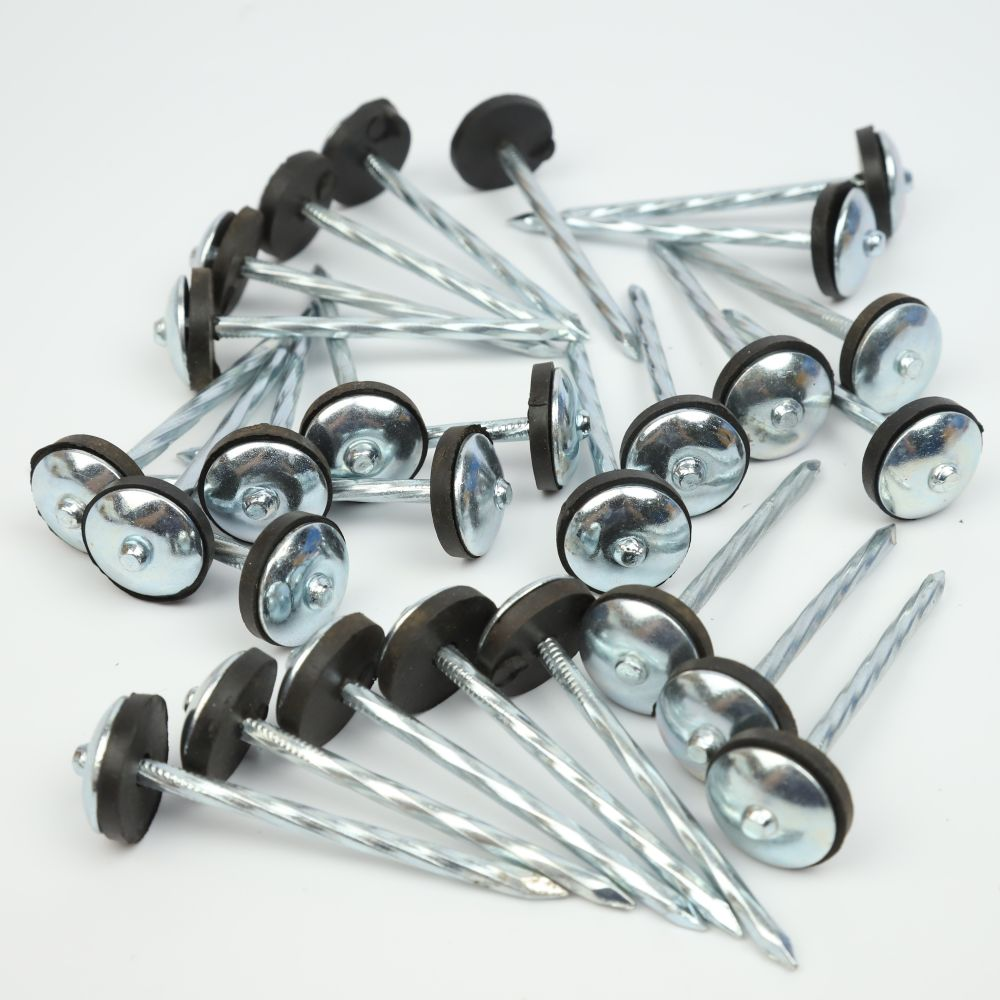
Corrosion Resistance: Ensuring Longevity in Harsh Environments
Roofing nails face constant exposure to moisture, temperature fluctuations, and chemical agents, making corrosion resistance essential for long-term performance. The right material and coating can extend a roof’s lifespan by decades, while poor choices lead to premature failure and costly repairs.
How Galvanization Enhances Corrosion Resistance in Roofing Nails
When steel nails undergo hot-dip galvanization, they get covered in a thick layer of zinc. This coating serves two main purposes at once: it creates a physical shield against rust and acts as what's called a sacrificial anode, which means it will corrode before the actual steel does even if the surface gets scratched somehow. Another benefit worth mentioning is how this process actually fills those tiny little holes we can't see on regular steel surfaces. The result? A much smoother finish that makes it harder for water to seep into the metal. For folks living near the coast where salt air is constantly attacking building materials, galvanized nails stand up to this corrosive environment about three times better than their non-galvanized counterparts according to field tests conducted over several years now.
Roofing Nail Materials Compared: Galvanized Steel, Aluminum, Copper, and Stainless Steel
- Galvanized steel: Cost-effective for most climates; use G185 zinc coatings (vs. standard G90) in high-humidity or coastal areas
- Aluminum: Naturally rustproof and lightweight, but susceptible to galvanic corrosion when in contact with copper flashing or pressure-treated wood
- Copper: Offers exceptional longevity (75+ years), ideal for slate roofs, though significantly more expensive—up to 8x the cost of galvanized options
- Stainless steel: Best for marine environments due to chromium content that enables self-healing of surface scratches; 316-grade alloys resist salt spray far longer than galvanized nails
Environmental Challenges: Coastal, Humid, and Temperature-Variable Climates
Moisture hangs around constantly in humid areas, which speeds up rust formation on metal surfaces that aren't protected. When temperatures fluctuate throughout the day, things get worse for metal components. Heat causes expansion that actually creates tiny spaces between nail heads where water can sneak in. Cold weather then makes everything contract, leading to little cracks forming under stress. For buildings near the coast, regular paint jobs just don't cut it anymore. Salt particles floating in the air manage to work their way through most standard coatings after about a year and a half. That's why contractors often specify heavier duty options such as G185 galvanized steel or go straight for stainless steel solutions instead.
Zinc Coating Standards (G90 vs. G185) and Long-Term Rust Protection
The G90 coating option at about 0.90 oz per square foot works well enough for most inland locations where rain isn't too heavy. But when dealing with coastal areas or metal roofing that gets hit by acidic runoff from nearby roads, we need to step up to G185 coatings which weigh in at roughly 1.85 oz per square foot. Some interesting numbers came out of an industry study last year showing how much difference this makes over time. After sitting through 15 years of hurricanes and tropical storms, those thicker G185 coated fasteners still held onto about 95% of their original strength. Meanwhile the lighter G90 ones were down to just 62%. And let's not forget about what happens during actual installation either. The extra thickness really helps protect against wear and tear from handling, so important for keeping those connections watertight even after months of exposure.
Nail Design and Type: Matching Shank, Head, and Application
Smooth Shank vs. Ring Shank: Holding Power and Withdrawal Resistance
Ring shank nails provide 40% higher withdrawal resistance than smooth shanks under ASTM D1761 testing (2022). Their grooved design grips wood fibers more effectively, making them critical in high-wind regions where uplift forces exceed 150 PSI. Contractors prefer ring shanks for asphalt shingle installations, reducing tear-off risks by 58% compared to smooth variants.
Head Styles: Square Cap, Round Head, and Specialty Designs for Sealing Efficiency
Square cap heads distribute load over 30% more surface area than round heads (ASTM D6383-21), reducing the risk of shingle punctures. T-cap nails with integrated neoprene washers create reliable seals around metal roofing penetrations. For cedar shakes, low-profile heads maintain aesthetics while adhesive coatings ensure waterproofing.
Compatibility of Roofing Nails with Asphalt Shingles and Metal Roofing Systems
For asphalt shingle installations, galvanized steel nails have become the go to option because they offer good strength without breaking the bank. When it comes to metal roofs though, most contractors reach for stainless steel, especially grade 316. These nails hold up much better against harsh coastal conditions and handle temperature changes without corroding like regular steel would. Slate tile work requires something different entirely. Copper nails are what professionals use here since the material is soft enough not to crack delicate slates during installation. Plus, over time copper develops that greenish blue patina that actually looks pretty nice on traditional slate roofs, blending in rather than standing out.
Size, Gauge, and Penetration: Engineering Structural Security
Optimal Length and Penetration Depth for Secure Attachment to Roof Sheathing
Nails should be 1¼" to 1¾" long to ensure at least ¾" penetration into roof sheathing, meeting ASTM International standards (2023 update). Shorter nails increase uplift risk, while overly long ones may damage underlayment. For thick composite shingles or ice/water barriers, 2" nails are often used to accommodate layered assemblies.
Shank Diameter and Head Size: Balancing Grip Strength and Material Compatibility
A 0.120"–0.135" shank diameter offers optimal grip without splitting wood decking. Larger heads (≥1¼") improve sealing but must be matched to roofing type: flatter heads prevent back-out on metal roofs, while domed heads aid water shedding on asphalt shingles.
Nail Gauge Explained: Thickness and Strength in Residential vs. Commercial Applications
| Gauge | Thickness (inches) | Best Use Case |
|---|---|---|
| 11 | 0.116 | Residential asphalt shingles |
| 8 | 0.162 | Metal roofing & commercial projects |
| Higher-strength, lower-gauge nails withstand 35%–50% greater shear forces, making them essential for high-wind and commercial applications. |
Sizing Guidelines for Different Roofing Materials: Wood Shake, Tile, and Underlayment
Wood shake requires 1½"–2" hot-dipped galvanized nails to prevent splitting from moisture expansion. Concrete tile installations demand 1¾"–2½" stainless steel fasteners to handle thermal movement. Synthetic underlayments perform best with ¾" nails featuring adhesive caps, which maintain seal integrity without compromising vapor barriers.
Wind Resistance and Performance Under Extreme Conditions
Withstanding wind stress: Withdrawal and shear force resistance in roofing nails
Roofing nails resist wind uplift through withdrawal (vertical pull) and shear (lateral slide) strength. Ring-shank designs increase withdrawal resistance by up to 300% thanks to their gripping grooves. For shear resistance, 11-gauge nails with 3/8" heads distribute stress effectively, maintaining performance at wind speeds over 130 mph.
Critical role of nail strength in hurricane-prone and high-wind regions
In Category 4 hurricane zones, stainless steel nails retain 92% of their corrosion resistance after salt spray testing (ASTM B117). With tensile strengths reaching 90,000 PSI, they resist head snap-off during repeated wind loading—a common failure in nails rated below 70,000 PSI under simulated 150 mph gusts.
Case study: Failure analysis of improperly fastened shingles during storms
A 2023 assessment of storm damage in Texas found that undersized 1" nails were responsible for 74% of asphalt shingle losses. Nails penetrating less than ¾" into decking allowed wind-driven rain infiltration, leading to rot in 68% of affected roofs. Properly installed 1¼" ring-shank nails reduced water intrusion by 89% in controlled simulations.
Building code and manufacturer requirements for wind-resistant nailing patterns
According to IRC code section R905.2.5, homes in regions where winds blow over 110 mph need six nails per asphalt shingle installed about an inch away from each edge. For metal roofs, the rules get even stricter. Contractors should install fasteners in a staggered pattern every twelve inches along those support beams called purlins, using nails that measure at least 0.121 inches thick in their shanks. The big names in roofing materials, companies such as GAF and Owens Corning, won't honor their warranty coverage when installers cut corners by using nails with less than G90 galvanization or thinner than 12 gauge steel in these extreme weather zones. These specifications aren't just recommendations either they're critical for maintaining structural integrity during severe storms.
Proper Installation and Compliance: Avoiding Leaks and Code Violations
Best Practices for Nailing Technique and Placement to Ensure Seal Integrity
Getting the technique right can stop around 62 percent of leaks that happen because of bad installation according to NRCA research from last year. When driving nails into the sheathing, they need to go in at least three quarters of an inch deep and straight up and down. If contractors drive them too hard, those little rubber seals between shingles get squished flat. Drive them too shallow and water finds its way in through the spaces left behind. Both problems ruin what makes roofing materials waterproof in the first place. For folks working with air powered nail guns, there's another trick worth remembering. Different brands make their shingles with slightly different materials, so adjusting the air pressure depending on how thick each type is becomes important for getting good results across all jobs.
Preventing Water Intrusion: Role of Adhesive Seals, Underlayment, and Correct Spacing
Today's roofing shingles come with these special heat activated adhesive strips along the edges. These stick only when the nails go right about an inch above where the manufacturer marked the sealing line. Now for waterproofing, synthetic underlayments really outperform old school felt paper by roughly three times according to Florida's building standards from last year. Makes sense too since coastal homes need extra protection against moisture, which is why contractors often space their nails every six inches there. And speaking of protection, those pesky ice dams? They demand some careful work with staggered nailing patterns and making sure there's between four to six inches of overlap at the roof's edge where it meets the gutter system.
Common Installation Errors Leading to Leaks and Premature Roof Failure
The table below outlines critical errors observed in 1,200 roof inspections:
| Error Type | Frequency | Consequence |
|---|---|---|
| Nails above seal line | 41% | Seal activation failure |
| Overdriven nails | 28% | Shingle tearing in <5 years |
| Insufficient penetration | 19% | Wind uplift >55 mph |
Meeting Compliance: ASTM, IRC, and Manufacturer Standards for Roofing Nail Use
ASTM F1667 specifies a minimum 11-gauge shank for asphalt shingle nails. IRC R905.2.5 mandates corrosion-resistant coatings in areas with humidity above 55%. While local codes set baseline requirements, leading manufacturers often specify longer nails (1⅝"–1¾") and stricter materials—typically exceeding code by 20% to enhance durability and wind resistance.
FAQs
What is the main purpose of galvanization in roofing nails?
Galvanization serves both to create a physical barrier against rust and acts as a sacrificial anode, which means it corrodes before the steel. This process smoothens the surface, preventing water infiltration.
Which materials are best suited for roofing nails in coastal areas?
For coastal areas, galvanized steel with a G185 coating and stainless steel, particularly 316-grade alloys, are excellent choices due to their resistance to salt spray and corrosion.
Table of Contents
- Corrosion Resistance: Ensuring Longevity in Harsh Environments
- Nail Design and Type: Matching Shank, Head, and Application
-
Size, Gauge, and Penetration: Engineering Structural Security
- Optimal Length and Penetration Depth for Secure Attachment to Roof Sheathing
- Shank Diameter and Head Size: Balancing Grip Strength and Material Compatibility
- Nail Gauge Explained: Thickness and Strength in Residential vs. Commercial Applications
- Sizing Guidelines for Different Roofing Materials: Wood Shake, Tile, and Underlayment
-
Wind Resistance and Performance Under Extreme Conditions
- Withstanding wind stress: Withdrawal and shear force resistance in roofing nails
- Critical role of nail strength in hurricane-prone and high-wind regions
- Case study: Failure analysis of improperly fastened shingles during storms
- Building code and manufacturer requirements for wind-resistant nailing patterns
-
Proper Installation and Compliance: Avoiding Leaks and Code Violations
- Best Practices for Nailing Technique and Placement to Ensure Seal Integrity
- Preventing Water Intrusion: Role of Adhesive Seals, Underlayment, and Correct Spacing
- Common Installation Errors Leading to Leaks and Premature Roof Failure
- Meeting Compliance: ASTM, IRC, and Manufacturer Standards for Roofing Nail Use
- FAQs