 EN
EN
Key Screw Design Parameters for OEM Furniture Hardware Customization
Head and Drive Types: Enabling Assembly Efficiency and Brand-Specific Tooling
Choosing the right head and drive system makes a real difference when it comes to how fast things get assembled, maintaining control over tools, and standing out from competitors. Take Torx® drives for instance. Many manufacturers in the furniture business have switched away from traditional Phillips and slotted designs because they cause fewer cam-out problems. Some research suggests these specialized drives can cut down on those frustrating slips by around 40%. Companies also develop their own unique drive systems like pentagonal or spanner styles. These proprietary options let brands maintain tighter control over repairs while making it harder for people to take apart products without permission. On factory floors where everything is automated, this kind of setup typically saves somewhere between 15 to 20 seconds per unit during assembly, which adds up across thousands of units produced each day.
Material and Surface Finish Options: Matching Substrate Compatibility and Aesthetic Requirements
When picking materials, designers need to think about what kind of loads they'll carry, where they'll be placed, and how they'll look together. Regular zinc plated steel works fine inside buildings most of the time. But if something needs to last near the ocean or in really damp places, go for marine grade 316 stainless steel instead. These steels can handle salt spray tests lasting over 1,500 hours without rusting through. High end products often use Physical Vapor Deposition coatings because they match colors so well between batches. The difference is usually less than 1.0 on that Delta E scale, which means all those door handles or cabinet pulls will look consistent throughout a whole line. There are other things to watch out for too. When different metals touch each other, there's always a risk of galvanic corrosion happening over time. The thickness of any plating affects how parts slide against each other during assembly. And don't forget about sun damage either. Organic coatings used outdoors need special treatment to resist fading from UV light exposure.
Thread Geometry and Pilot Point Engineering for Engineered Wood Integrity
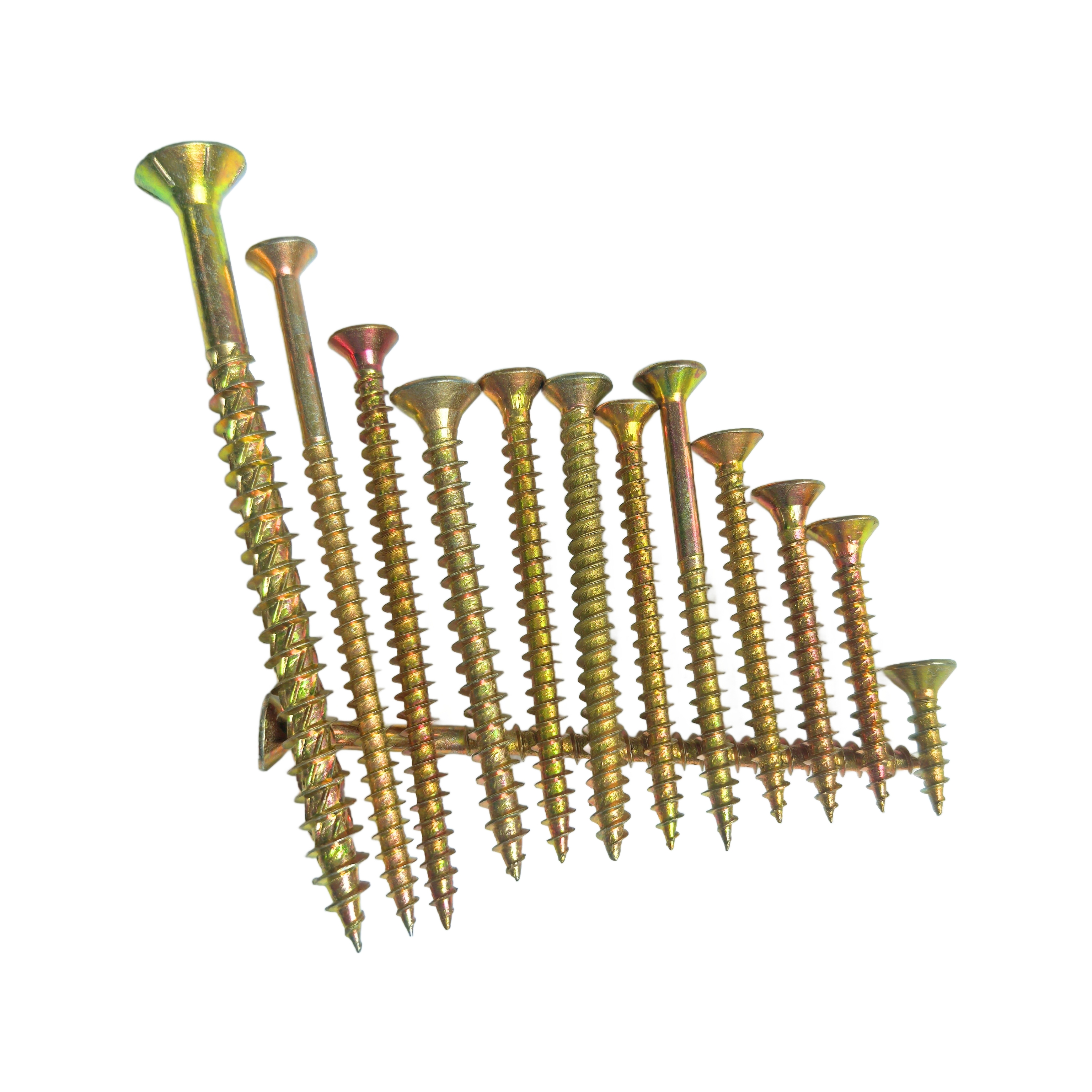
Regular screws tend to weaken joints when used in particleboard or MDF because they cause blowouts from radial stress, which is actually one of the main ways these materials fail according to industry standards like ASTM F1575. Screws with dual lead threads and those 30 degree flanks really hold better than normal wood screws, giving about a quarter more resistance before pulling out. The self tapping tips mean no need for drilling holes first if working with materials denser than around 650 kg per cubic meter. And those smaller root diameters help prevent the kind of expansion forces that crack apart engineered wood products during installation.
OEM Integration Capabilities: From Digital Design to Tamper-Resistant Assembly
CAD File Support, Tolerancing, and Digital Twin Readiness in Screw Development
Today's OEM collaborations depend heavily on good CAD integration along with digital twin checks to speed up making those special screws. When manufacturers stick to tight geometry specs around plus or minus 0.05 millimeters, it makes sure everything fits right with the automated assembly lines and cuts down how much money gets spent on prototypes somewhere around 40 percent give or take. The whole process involves running simulations for things like threads fitting together properly, how deep the pilot points go into materials, and where pressure builds up across different parts. This kind of testing upfront matters a lot especially when working with engineered wood connections because there just isn't room for mistakes. Companies that adopt these Industry 4.0 methods create a better connection between what gets simulated and what actually goes into production thanks to constant feedback loops. As a result, projects finish faster than old school approaches typically by about three to five weeks difference.
Secure Covers and Tamper-Resistant Features for Premium Furniture Brand Protection
Specialized tamper resistant screws featuring unique drive shapes along with hidden security caps help protect brand value across expensive residential spaces, commercial contracts, and retail showcases. The design completely hides screw heads so products maintain their sleek look even in top quality finishes, all while satisfying the ASTM F883 standards for preventing tampering. Recent research from 2023 on furniture security shows these protection systems cut down on people trying to reverse engineer products by around two thirds, plus they significantly reduce warranty issues caused when customers make unauthorized changes to items.
Custom Screw Performance vs. Standard Screws: Trade-offs in Strength, Cost, and Lead Time
Custom screws deliver targeted performance advantages—but require disciplined evaluation against standard alternatives. The key trade-offs are:
| Performance Metric | Custom Screws | Standard Screws |
|---|---|---|
| Shear Strength | 30–50% higher in engineered wood (ASTM F1575) | Industry-grade baseline |
| Lead Time | 4–6 weeks for tooling & production | 1–2 weeks for stocked items |
| Unit Cost Impact | +15–25% from NRE and custom tooling | Volume-based discounts apply |
Better thread design really boosts how well screws hold in particleboard and MDF materials, which means joints are less likely to fail when承受 heavy loads. But getting these improvements usually requires paying for special tooling upfront and takes longer to develop, so it only makes sense for manufacturers making large quantities or dealing with structural components where failure isn't an option. When production runs stay below around 5,000 pieces, tweaking regular off-the-shelf screws typically works best. This approach keeps things strong enough while avoiding unnecessary expenses and delays that come with fully customized options.
Branded Fastening Solutions: PVD-Coated and Color-Matched Screws for Visual Consistency
Corrosion Resistance and Batch-to-Batch Hue Uniformity (ISO 4042 & ISO 1456 Compliance)
PVD, which stands for Physical Vapor Deposition, turns ordinary fasteners into stylish design components through a process where durable and decorative coatings bond at the molecular level with metal surfaces. The technique offers outstanding protection against corrosion, something that matters a lot in damp areas such as kitchens and bathrooms, while also cutting down on customer complaints about rust issues. These screws meet standards set by ISO 4042 for electroplated coatings and ISO 1456 for metallic coatings. What makes them stand out is their remarkable color consistency between batches, measured at Delta E below 1.0. This means manufacturers can match them accurately with various hardware pieces including handles and hinges in colors ranging from gold tones to graphite shades, matte black finishes, and even special request hues. Compared to traditional paint jobs or electroplating methods, PVD coating stands up much better to fading over time, doesn't chip easily, and holds up against everyday wear and tear, maintaining both looks and functionality for years to come.
FAQ Section
What is the benefit of using Torx® drives over Phillips or slotted designs?
Torx® drives help reduce cam-out problems and are more efficient in assembly, saving time and enhancing control over repairs.
Why is 316 stainless steel recommended for damp environments?
316 stainless steel is resistant to rusting and can withstand salt spray conditions, making it suitable for coastal or moist areas.
How does thread design improve screw performance in engineered wood?
Screws with dual lead threads and self-tapping tips provide better holding strength and reduce stress on materials like particleboard and MDF.
What is the role of CAD and digital twin checks in screw development?
They ensure precise fitment and reduce prototype costs by simulating interactions and pressure points in assemblies.
How do tamper-resistant screws protect premium furniture?
These screws, with unique drive shapes, prevent unauthorized access and maintain aesthetic integrity by hiding screw heads.
Table of Contents
- Key Screw Design Parameters for OEM Furniture Hardware Customization
- OEM Integration Capabilities: From Digital Design to Tamper-Resistant Assembly
- Custom Screw Performance vs. Standard Screws: Trade-offs in Strength, Cost, and Lead Time
- Branded Fastening Solutions: PVD-Coated and Color-Matched Screws for Visual Consistency
-
FAQ Section
- What is the benefit of using Torx® drives over Phillips or slotted designs?
- Why is 316 stainless steel recommended for damp environments?
- How does thread design improve screw performance in engineered wood?
- What is the role of CAD and digital twin checks in screw development?
- How do tamper-resistant screws protect premium furniture?