कंक्रीट की उच्च क्षारता, जो आमतौर पर pH 12.5 से 13.5 के आसपास होती है, और लगातार नमी के संपर्क में रहने से सामान्य स्टील फास्टनरों में इलेक्ट्रोकेमिकल संक्षारण को तेजी से बढ़ावा मिलता है। सुरक्षा के बिना के सामान्य कीलें अक्सर कुछ ही महीनों बाद विफल होना शुरू कर देती हैं, खासकर जब वे समुद्र तटीय निर्माण परियोजनाओं, बहु-स्तरीय पार्किंग गैराजों या सर्दियों के दौरान नमक के उपचार वाले पुलों जैसे स्थानों में पाए जाने वाले क्लोराइड के संपर्क में आती हैं। जस्ता-एल्युमीनियम मिश्र धातुओं से बने कोटिंग्स, विशेष रूप से वे जिनमें ASTM A767 मानकों के अनुसार लगभग 55% जस्ता और 45% एल्युमीनियम होता है, ऐसी क्षारीय जगहों में पारंपरिक हॉट डिप गैल्वेनाइजेशन विधियों की तुलना में लगभग तीन गुना अधिक समय तक साक्षात्कार परत के रूप में काम करते हैं जहाँ क्लोराइड की मात्रा अधिक होती है। एपॉक्सी पाउडर कोटिंग्स इसलिए खास हैं क्योंकि वे कंक्रीट से निकलने वाले डीआइसिंग रसायनों और अन्य क्षारीय पदार्थों के सामने टूटने का प्रतिरोध करते हैं। ये कोटिंग्स उन महत्वपूर्ण जोड़ों के लिए आवश्यक हैं जिन्हें कम से कम 30 वर्षों तक विश्वसनीय ढंग से काम करने की आवश्यकता होती है। जब संक्षारण के कारण कील का शैंक (shank) फैलता है, तो यह आंतरिक तनाव बल उत्पन्न करता है जो कंक्रीट द्वारा सहन की जा सकने वाली सीमा (लगभग 2 से 5 MPa) से अधिक हो सकता है। इससे कंक्रीट में दरारें आती हैं या छिलकर गिर जाता है, जो भूकंप प्रवण क्षेत्रों में एक बड़ी समस्या बन जाता है जहाँ एंकरों की स्थिरता यह निर्धारित करती है कि भवन धक्कों का कितनी अच्छी तरह से सामना कर पाएंगे।
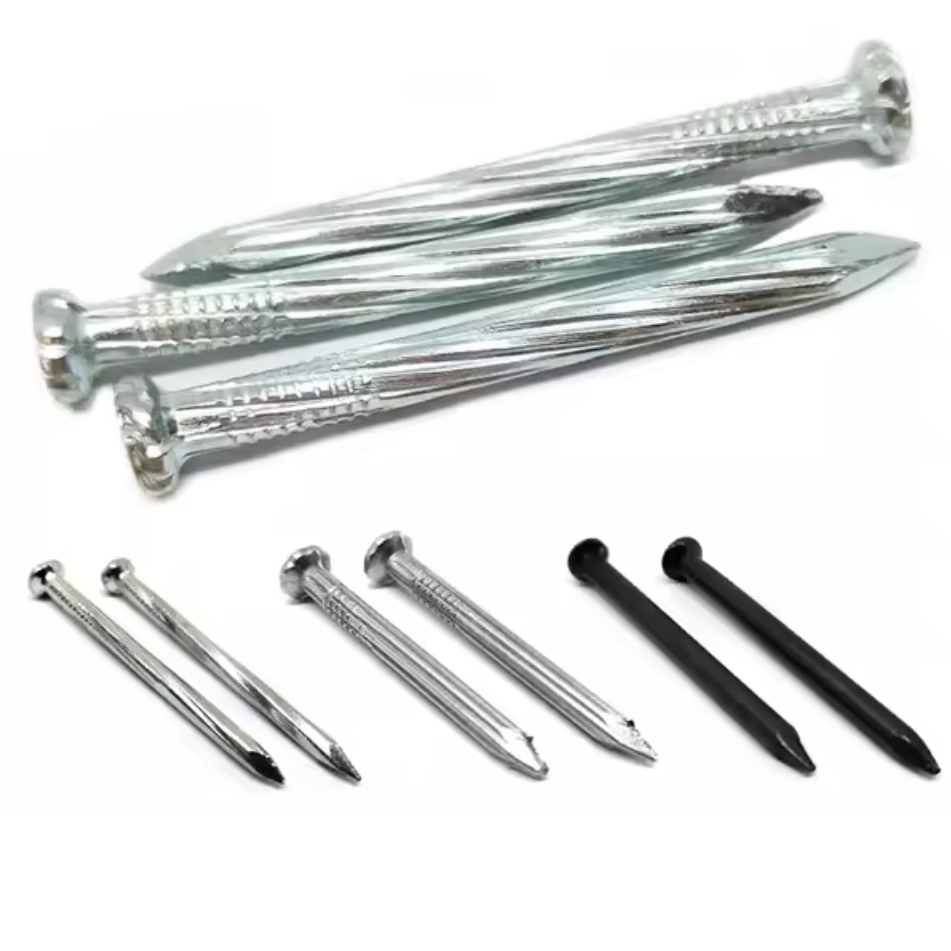
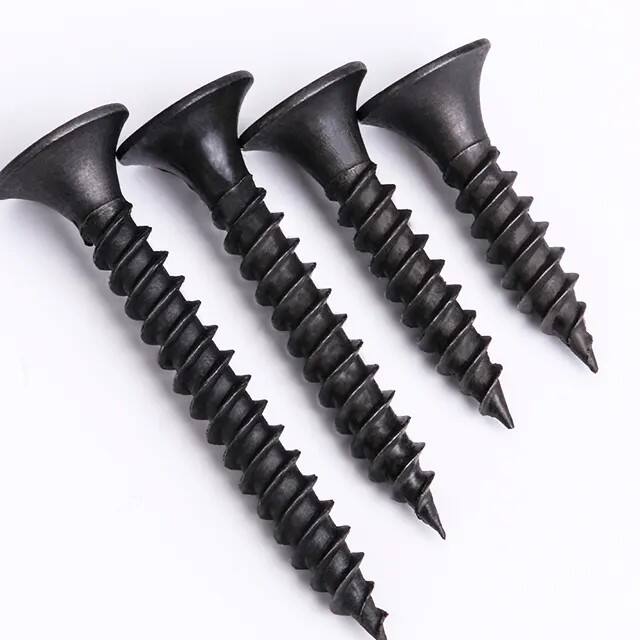
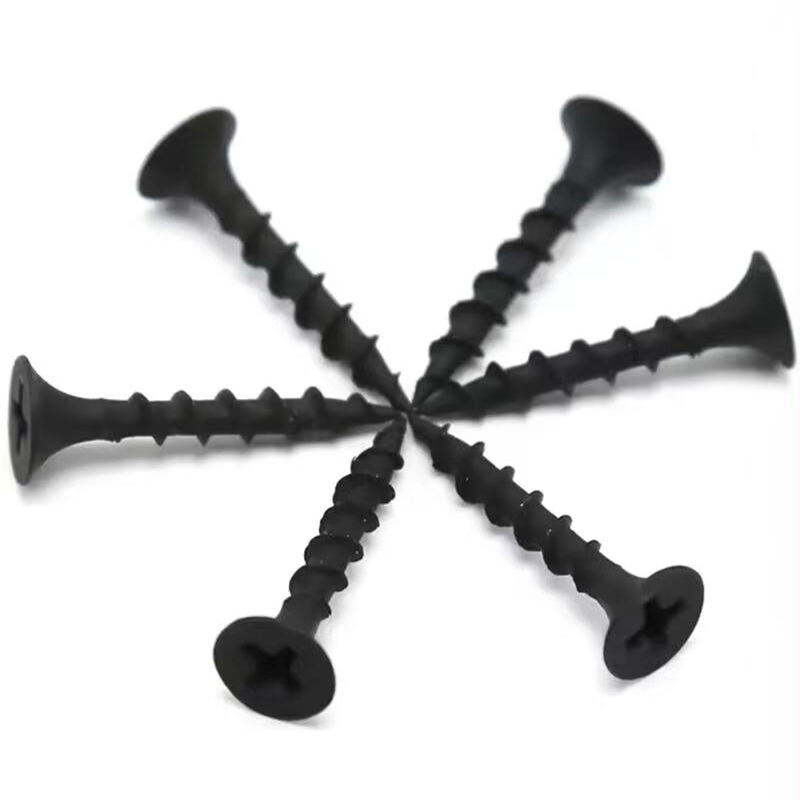
जब मोमेंट फ्रेम कनेक्शन, शियर वॉल एंकरिंग सिस्टम या भूकंपीय ब्रेसिंग तत्व जैसी संरचनात्मक कंक्रीट के साथ काम कर रहे हों, तो असली मायने बस कच्ची ताकत का नहीं होता, बल्कि इस बात का होता है कि घटक का आकार परिपत्र सामग्री के साथ कैसे बातचीत करता है। डूबे हुए सिर वाले डिज़ाइन वास्तव में संपर्क क्षेत्र को अधिक प्रभावी ढंग से फैला देते हैं और उन परेशान करने वाले उभारों को खत्म कर देते हैं जो या तो फिनिश को खराब करते हैं या स्थापना के दौरान पड़ोसी भागों से टकराते हैं। ASTM E488 मानकों के अनुसार परीक्षणों से पता चलता है कि रिब्ड शैंक फास्टनर स्मूथ वाले फास्टनर की तुलना में 40 प्रतिशत तक बेहतर तरीके से खींचे जाने का प्रतिरोध कर सकते हैं। यह सुधार सीमेंट मिश्रण के भीतर बेहतर यांत्रिक पकड़ से आता है। उच्च ताकत या प्री-स्ट्रेस्ड कंक्रीट अनुप्रयोगों के लिए, फ्लूटेड पैटर्न वाले फास्टनर और भी बेहतर काम करते हैं क्योंकि वे सामग्री भर में छोटे एंकर पॉइंट्स बनाते हैं जो घूर्णन और सीधी रेखा में गति दोनों को रोकते हैं। ये सभी डिज़ाइन तत्व मिलकर फास्टनर और कंक्रीट के बीच बलों को समान रूप से वितरित करते हैं, जिससे तनाव के गर्म स्थलों को रोका जाता है जो अन्यथा दोहराए गए या अचानक भार के अधीन होने पर दरारें बनने या जोड़ों के अलग होने का कारण बन सकते हैं।
1045 और C1022 जैसे स्टील ग्रेड लोकप्रिय विकल्प हैं क्योंकि वे मुड़ने के लिए पर्याप्त मजबूत होने और फिर भी चलने के लिए पर्याप्त कठोर होने के बीच एक अच्छा संतुलन बनाते हैं। जब इन स्टील्स को सावधानीपूर्वक शमन और टेम्परिंग प्रक्रियाओं से गुजारा जाता है, तो वे HRC 50 या उससे अधिक कठोरता स्तर तक पहुंच जाते हैं। इससे वे 1,200 MPa से अधिक तनाव बलों को संभालने के लिए पर्याप्त मजबूत हो जाते हैं, लेकिन फिर भी स्थापना के दौरान झटकों को लेने में सक्षम होते हैं बिना टूटे। ऊष्मा उपचार के बाद चीजों को ठंडा करने की गति को नियंत्रित करने का तरीका भी मायने रखता है। यदि सही ढंग से किया जाए, तो यह अचानक तापमान परिवर्तन के कारण सूक्ष्म दरारों के निर्माण को रोकता है। इसके बाद, हम सभी की जांच फिर से करते हैं ताकि यह सुनिश्चित हो सके कि आयाम स्थिर रहें और धातु पूरे समय ठोस बनी रहे। ये सभी कदम व्यवहार में वास्तव में फायदा देते हैं। फास्टनर टेक्नोलॉजी इंस्टीट्यूट के अध्ययनों से पता चलता है कि उचित तरीके से उपचारित उपकरण गलत तरीके से संभाले गए लोगों की तुलना में तीन गुना अधिक समय तक चल सकते हैं। नौकरशाही स्थलों में ऐसा अंतर समय के साथ बढ़ता जाता है।
टिकाऊपन के मामले में कंक्रीट को दो बड़ी समस्याओं का सामना करना पड़ता है: क्षारता के मुद्दे और नमी के संपर्क के कारण होने वाला संक्षारण। जस्ता-एल्युमीनियम मिश्र धातु लेप, उदाहरण के लिए गैल्फ़ैन, बहुत अच्छा काम करते हैं क्योंकि वे इस्पात सतहों पर एक मोटी सुरक्षात्मक परत बनाते हैं। इनकी विशेषता यह है कि वे आधारभूत धातु के मुकाबले पहले संक्षारित होते हैं, इसलिए यहां तक कि यदि संभालने के कारण कट या घिसे क्षेत्र हों, तब भी इस्पात सुरक्षित रहता है। इसके अलावा एपॉक्सी पॉलिमर लेप भी होते हैं। इन्हें स्थिरवैद्युत विधियों द्वारा लगाया जाता है जहां पाउडर सामग्री सतह पर चिपक जाती है, फिर निश्चित तापमान पर बेक की जाती है जब तक कि वह ठोस न हो जाए। परिणाम? एक चिकनी परत जो क्लोराइड जैसे रसायनों को पार नहीं करने देती। उद्योग परीक्षणों ने दिखाया है कि वास्तविक दुनिया की स्थितियों में ये लेप पारंपरिक विकल्पों की तुलना में काफी बेहतर प्रदर्शन करते हैं।
| कोटिंग प्रकार | संक्षारण प्रतिरोध (एएसटीएम बी117 नमक छिड़काव) | प्राथमिक अनुप्रयोग उपयुक्तता |
|---|---|---|
| जस्ता-एल्युमीनियम | लाल जंग तक 1,500+ घंटे | उच्च नमी, मध्यम क्लोराइड वाले वातावरण (जैसे भूमिगत पार्किंग, आर्द्र आंतरिक स्थान) |
| एपॉक्सी बहुलक | लाल जंग तक 3,000+ घंटे | आक्रामक रासायनिक उजाड़ वाले क्षेत्र (जैसे तटीय पुल, अपशिष्ट जल सुविधाएं) |
निरंतर इलेक्ट्रोप्लेटिंग और स्वचालित पाउडर-कोटिंग लाइनें माइक्रॉन-स्तरीय मोटाई समानता सुनिश्चित करती हैं—शैंक व्यास और हेड प्रोफाइल पर महत्वपूर्ण सहिष्णुता को बरकरार रखते हुए—जबकि दीर्घायु बुनियादी ढांचे के प्रोजेक्ट में क्षेत्र में प्रतिस्थापन की आवृत्ति में 60% की कमी करती हैं।
स्केलेबल अनुकूलन का आधार मॉड्यूलर निर्माण प्रणाली है, जो विभिन्न उत्पादन मात्रा के बीच त्वरित रूप से स्विच कर सकती है। सिर्फ 100 परीक्षण इकाइयों के निर्माण से लेकर 10,000 से अधिक इकाइयों के उत्पादन तक की प्रक्रिया में गुणवत्ता मानकों या नियामक आवश्यकताओं को ध्यान से रखे बिना जाने के बारे में सोचें। इस तरह की लचीलापन इंजीनियरों को विशिष्ट डिज़ाइन तत्वों का बार-बार परीक्षण और सुधार करने की अनुमति देता है। उदाहरण के लिए, वे घटकों के सही ढंग से फिट होने सुनिश्चित करने के लिए लंबाई से व्यास अनुपात में समायोजन कर सकते हैं, खींचने की ताकत प्राप्त करने के लिए फ्लूटेड पिच में बदलाव कर सकते हैं, या कुछ रसायनों का प्रतिरोध करने के लिए एपॉक्सी कोटिंग्स में संशोधन कर सकते हैं। डिजिटल ट्विन द्वारा संचालित मॉड्यूलर उपकरणों और सिमुलेशन के साथ, निर्माता यह जांच सकते हैं कि क्या भाग ठीक से फिट होंगे और कोटिंग्स लंबे समय तक कैसे चलेंगे, इससे पहले कि कुछ भी भौतिक रूप से बनाया जाए। इन आभासी परीक्षणों से आमतौर पर वैधीकरण प्रक्रियाओं में लगने वाले समय का लगभग 40% बचत होती है। पिछले साल प्रकाशित खरीद दक्षता रिपोर्ट के निष्कर्षों के अनुसार, इन तरीकों को अपनाने वाली कंपनियों ने बर्बाद होने वाली सामग्री में लगभग 20% की कमी की है, यह सब छोटे बैच या बड़े पैमाने पर उत्पादन करने के बावजूद मूल इंजीनियरिंग विनिर्देशों को बरकरार रखते हुए।
खरीद प्रक्रिया को सही ढंग से करने का अर्थ है तकनीकी आवश्यकताओं को उस वास्तविक कार्यप्रणाली के साथ मिलाना जो दिन-प्रतिदिन काम करती है। जैसे कि पुर्जे प्राप्त करने में कितना समय लगता है, आदेशों में बदलाव की संभावना है या नहीं, और क्या पर्याप्त इंजीनियरिंग ज्ञान उपलब्ध है—ये सभी बातें बहुत महत्वपूर्ण हैं। जो निर्माता ISO 9001 और ISO/IEC 17025 प्रमाणन प्राप्त कर चुके हैं, वे अपने सामान्य लीड टाइम में लगभग 25 से 30 प्रतिशत तक की कमी करने में सक्षम होते हैं। वे इसे स्मार्ट शेड्यूलिंग प्रणालियों और न्यूनतम स्टॉक रखकर करते हैं, जो उन परियोजनाओं के लिए फायदेमंद होता है जहां सामग्री की त्वरित आवश्यकता होती है। न्यूनतम ऑर्डर मात्रा भी काफी लचीली होती है, जो छोटे परीक्षण चक्रों के लिए लगभग 500 टुकड़ों से लेकर बड़े बुनियादी ढांचे के कार्यों के लिए विशाल ऑर्डर तक फैली होती है। इससे परियोजना के प्रत्येक चरण में लोग बिल्कुल वही खरीद सकते हैं जो उन्हें आवश्यकता होती है, बिना विनिर्देशों पर समझौता किए। लेकिन जो बात वास्तव में उभरकर सामने आती है, वह है प्रमाणित आपूर्तिकर्ताओं द्वारा प्रदान की जाने वाली इंजीनियरिंग सहायता। वे यह जांचने के लिए सिमुलेशन चलाते हैं कि एंकर कितने मजबूत होंगे, ASTM G85 अनुबंध A5 में निर्दिष्ट नमकीन धुंध परीक्षण सहित जंग रोधी मानकों के अनुसार वैधता सुनिश्चित करते हैं, और यह सुनिश्चित करने के लिए डिजाइन की समीक्षा करते हैं कि वे निर्माण के दौरान अच्छी तरह काम करेंगे। पिछले वर्ष के कुछ उद्योग आंकड़ों के अनुसार, जो परियोजनाएं इस तरह के समर्थन का लाभ उठाती हैं, उनमें आमतौर पर अनुसूची में देरी या बजट से अधिक लागत की समस्याएं लगभग 15% कम आती हैं।
कंक्रीट की कीलें खरीदते समय, सिर्फ प्रति टुकड़े सबसे सस्ती चीज पर ध्यान देना बुद्धिमानी नहीं है। वास्तविक मूल्य इस बात में निहित है कि समय के साथ वे कितने लंबे समय तक चलती हैं। सबसे पहले विशिष्ट अनुप्रयोगों को इन प्रमुख कारकों के साथ मिलाने से शुरुआत करें: ISO 12944 या ACI 318 अपेंडिक्स D जैसे मानकों के आधार पर संक्षारण का कितना जोखिम है, क्या कीलों को तन्यता बल, अपरूपण बल या दोनों का सामना करना पड़ेगा, और वास्तविक वातावरण कितना कठोर है, जैसे बार-बार जमना और पिघलना या गलती से रासायनिक रिसाव। पिछले साल कंस्ट्रक्शन मटीरियल्स जर्नल में प्रकाशित हालिया शोध के अनुसार, इस दृष्टिकोण का पालन करने वाले ठेकेदारों को अपनी कील स्थापना के कुल मिलाकर 15 से 20 प्रतिशत तक लंबे समय तक चलने का अनुभव होता है। गंभीर परियोजनाओं के लिए, ISO मानकों के तहत प्रमाणित निर्माताओं के साथ दीर्घकालिक समझौते करना तर्कसंगत होता है जिनके पास अच्छी इंजीनियरिंग समर्थन टीम भी हो। ये साझेदारी विशेष कील डिजाइन, बेहतर जस्ता-एल्यूमीनियम मिश्र धातु, या यहां तक कि मिश्रित लेपन समाधान के त्वरित विकास की अनुमति देते हैं, जबकि उचित मिल परीक्षण और स्वतंत्र नमक छिड़काव परीक्षणों के माध्यम से सब कुछ ट्रैक पर रखते हैं। कई परियोजनाओं में खरीदारी के आंकड़ों को देखने से मानकीकरण की संभावनाएं भी सामने आती हैं। विभिन्न इमारतों में आमतौर पर उपयोग की जाने वाली कीलों के आकार का मानकीकरण 12 से 18 प्रतिशत तक लागत कम कर सकता है, बिना गुणवत्ता आवश्यकताओं जैसे अधिकतम सल्फर सामग्री (0.25% से अधिक नहीं) या न्यूनतम मैंगनीज स्तर (कम से कम 0.60%) को नुकसान पहुंचाए। डिजिटल खरीद प्रणालियों के भीतर स्वचालित अनुपालन जांच लागू करने से जैसे लापता दस्तावेज या गलत लेपन विनिर्देश जैसे मुद्दों को शुरुआत में ही पकड़ने में मदद मिलती है। यह एकल कदम अकेले कागजी कार्रवाई के कार्यभार को लगभग 40% तक कम कर सकता है, यह सुनिश्चित करते हुए कि तकनीकी विनिर्देश आदेश दिए जाने से लेकर कीलों को वास्तव में स्थापित किए जाने तक लगातार सुसंगत बने रहें।
जिंक-एल्यूमीनियम और एपॉक्सी जैसी कस्टम कंक्रीट नेल कोटिंग्स उच्च क्लोराइड और क्षारीय वातावरण में संक्षारण प्रतिरोध में सुधार करती हैं, जिससे स्थापना अधिक समय तक चलती है।
काउंटरसंक और रिब्ड शैंक जैसे हेड डिज़ाइन कंक्रीट के भीतर बलों को बेहतर ढंग से वितरित करते हैं, जिससे तनाव के गर्म स्थल कम होते हैं और लोड क्षमता और स्थायित्व में सुधार होता है।
माप के अनुसार अनुकूलन लचीले उत्पादन की अनुमति देता है, जिससे यह सुनिश्चित होता है कि विशिष्ट डिज़ाइन तत्वों को गुणवत्ता या विनिर्देशों के नुकसान के बिना परियोजना आवश्यकताओं को पूरा करने के लिए त्वरित ढंग से अनुकूलित किया जा सके।
रणनीतिक खरीदारी पर्यावरणीय जोखिमों, तन्य बलों और प्रमाणित विनिर्माण प्रक्रियाओं के साथ नेल विनिर्देशों को मिलाकर दीर्घकालिक स्थायित्व और लागत प्रभावशीलता सुनिश्चित करती है।
प्रमाणित आपूर्तिकर्ताओं से इंजीनियरिंग सहायता तकनीकी मानकों के विरुद्ध नेल डिज़ाइन को मान्य करने, प्रदर्शन में अनुकूलन करने और विशेषज्ञता तथा अनुकरण परीक्षण प्रदान करके परियोजना के अतिरिक्त समय को कम करने में मदद करती है।
तांगशान जियायुआन मेटलवर्क कं, लिमिटेड एक पेशेवर हार्डवेयर निर्माता है, जिसके पास इस क्षेत्र में 30 से अधिक वर्षों का अनुभव है। हमारे पास हार्डवेयर उत्पादन में 30 से अधिक पेशेवर तकनीशियन हैं। हमारे पास उन्नत उत्पादन उपकरण और विभिन्न ग्राहकों की मांगों के लिए उपयुक्त कुशल उत्पादन क्षमता है।
किंमत 60 पूर्वी किंगबे रोड, हाई-टेक्नोलॉजी क्षेत्र, टांगशान शहर, हेबेई, चीन
सर्वाधिकार © 2025 टांगशान जियायुआन मेटलवर्क कंपनी लिमिटेड. गोपनीयता नीति
 EN
EN
 ताज़ा समाचार