 EN
EN

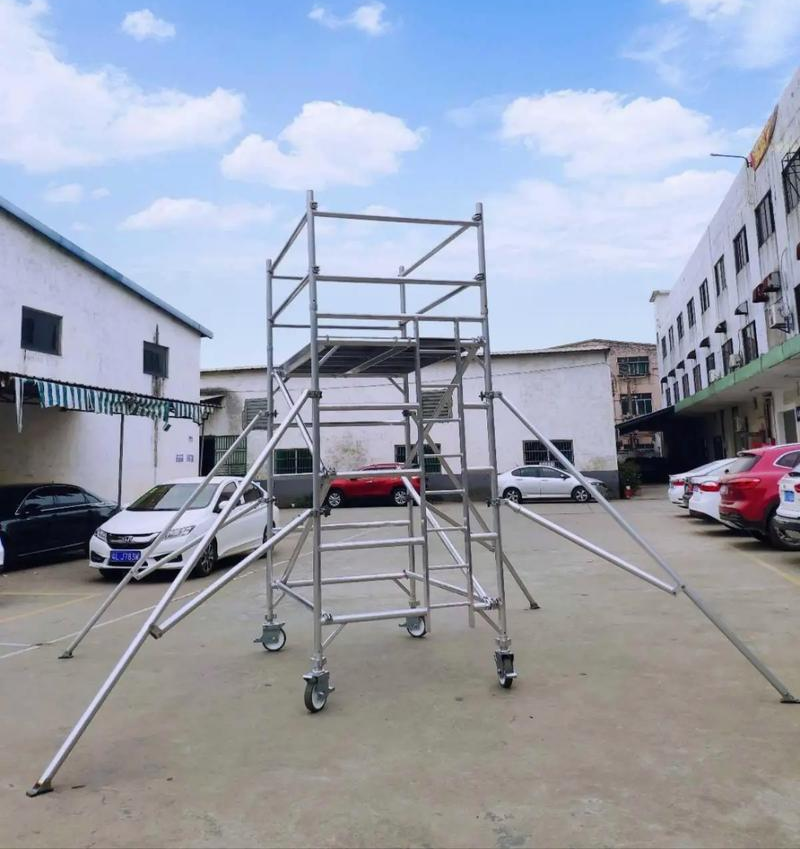
OSHA and IBC/IRC Compliance for Scaffolding Fasteners in North America
Load Capacity, Installation, and Inspection Requirements Under OSHA 29 CFR 1926.451
According to OSHA regulation 29 CFR 1926.451, all scaffolding fasteners need to handle loads four times greater than what they're actually holding. This accounts for not just straight down pressure but also sideways movement and those tricky off-center forces that happen when things get assembled or used improperly. Weekly checks by certified personnel are mandatory too. These inspections look for signs of rust, bent parts, anything missing from the structure, or problems like couplers that aren't staggered properly which can create dangerous concentration points. Training records show workers have gone through proper instruction about how to put everything together step by step and apply the right amount of force when tightening connections. Companies facing violations could end up paying fines as high as $15,625 each time according to OSHA guidelines from last year. And let's not forget the real cost when scaffolds actually fall apart. The Ponemon Institute estimates these accidents typically run employers around $740k including everything from medical bills to lost productivity and legal fees.
IBC/IRC Structural Tie-Down, Bracing, and Design Integration for Scaffolding Systems
The IBC Chapter 17 and IRC Section R301 set standards for scaffolding systems that need to withstand wind forces similar to what we see at 150 mph speeds plus seismic activity matching Zone 4 requirements. When it comes to fasteners, they should form part of continuous load paths connected directly to the main structural steel components rather than just attached to exterior surfaces. Bracing needs to happen regularly along both horizontal and vertical axes, with no spacing over 30 feet between supports. Connecting different types of metal without proper galvanic isolation will lead to faster corrosion problems down the road. Before any installation work begins, all engineering calculations must undergo third party verification. According to research published by the University of Florida, about two-thirds of scaffold failures in areas prone to strong winds were traced back to insufficient bracing arrangements.
EN 12811 and BS 5973 Certification for Scaffolding Fasteners in Europe and the UK
Shear Strength (≥12 kN) and Withdrawal Resistance (≥8 kN) per EN 12811-1
The EN 12811-1 standard establishes baseline requirements for mechanical performance. According to this specification, scaffolding fasteners need to handle at least 12 kN when subjected to shear forces and maintain a minimum of 8 kN against withdrawal attempts. These numbers aren't just theoretical benchmarks but represent actual conditions on site where workers move around, machinery vibrates constantly, and sudden wind blasts can hit structures without warning. Labs have tested these components extensively, showing that properly certified fasteners keep their strength even after going through countless stress cycles. This matters a lot in areas prone to harsh weather or near coastlines where scaffold failures would be particularly dangerous.
Material Traceability, Hot-Dip Galvanization (≥85 µm), and Batch Certification per BS 5973
The BS 5973 standard requires complete tracking of materials all the way from those original steel mill certificates right through every step including forging processes, heat treatments, and finishing work. Plus there's a requirement for hot dip galvanization where the coating needs to be at least 85 micrometers thick. For each batch produced, they actually test three main things: check what chemicals make up the material, measure how thick that protective coating really is, and confirm whether it can handle the loads it should. Independent auditors come in and sign off on these batches with specific compliance documents. Looking at real world numbers from the UK Health and Safety Executive reveals something interesting too. Components that follow all these traceability rules and have proper galvanization show around 34% fewer problems with fasteners failing on site when compared to parts that don't meet these standards.
ASTM Standards and Global Supply Chain Verification for Scaffolding Fasteners
ASTM F2982–23: Testing Reusability, Fatigue Resistance, and Dimensional Consistency of Scaffold Couplers
ASTM F2982–23 defines standardized test methods for scaffold couplers used across international supply chains.
- Reusability: Simulated assembly/disassembly over 200+ cycles, verifying retention of ≥95% original load capacity;
- Fatigue resistance: Cyclic loading replicating wind-induced oscillation and footfall dynamics;
- Dimensional consistency: Critical interface tolerances held to ±0.5 mm to ensure interchangeability and eliminate structural gaps.
Testing is conducted by ISO/IEC 17025-accredited labs using hydraulic actuators and optical metrology systems. Compliance with ASTM F2982–23 mitigates compatibility risks when integrating couplers from multiple suppliers—a key safeguard for multinational projects requiring harmonized safety standards.
Field Inspection and Structural Integrity Verification of Scaffolding Fasteners
Regular on-site inspections conducted by trained staff remain absolutely essential for workplace safety. When checking scaffolding components, inspectors look closely at things like couplers, tie connections, clamps, and anchor points to spot problems such as bending, damaged threads, rust spots, or when parts aren't aligned properly. For areas with higher risks, they perform torque tests, check how everything lines up, and sometimes run special tests to find hidden cracks using methods like dye penetration or magnetic particles. These checks need to happen again anytime there's been a change to the structure or if winds have blown harder than about 40 miles per hour. Studies from across the construction industry show that sticking to these regular inspection protocols cuts down the chances of scaffold collapses by nearly 90 percent. This means all those bolts and connectors keep working at their full strength throughout the entire time the scaffold stands.
FAQ
What are the requirements for scaffolding fasteners under OSHA regulation 29 CFR 1926.451?
Scaffolding fasteners must support loads four times greater than their actual holding capacity, and weekly inspections by certified personnel are required to ensure structural integrity.
How do IBC and IRC standards affect scaffolding systems?
IBC Chapter 17 and IRC Section R301 set standards for scaffolding to withstand extreme wind and seismic forces. Fasteners must form continuous load paths connected to main structural components, and bracing should occur regularly.
What certification standards apply to scaffolding fasteners in Europe and the UK?
EN 12811-1 sets shear strength and withdrawal resistance, while BS 5973 mandates material traceability and hot-dip galvanization for scaffolding fasteners.
How does ASTM F2982–23 ensure quality in scaffolding fasteners?
ASTM F2982–23 standardizes testing for reusability, fatigue resistance, and dimensional consistency of scaffold couplers, ensuring compatibility across global supply chains.
Table of Contents
- OSHA and IBC/IRC Compliance for Scaffolding Fasteners in North America
- EN 12811 and BS 5973 Certification for Scaffolding Fasteners in Europe and the UK
- ASTM Standards and Global Supply Chain Verification for Scaffolding Fasteners
- Field Inspection and Structural Integrity Verification of Scaffolding Fasteners
- FAQ